

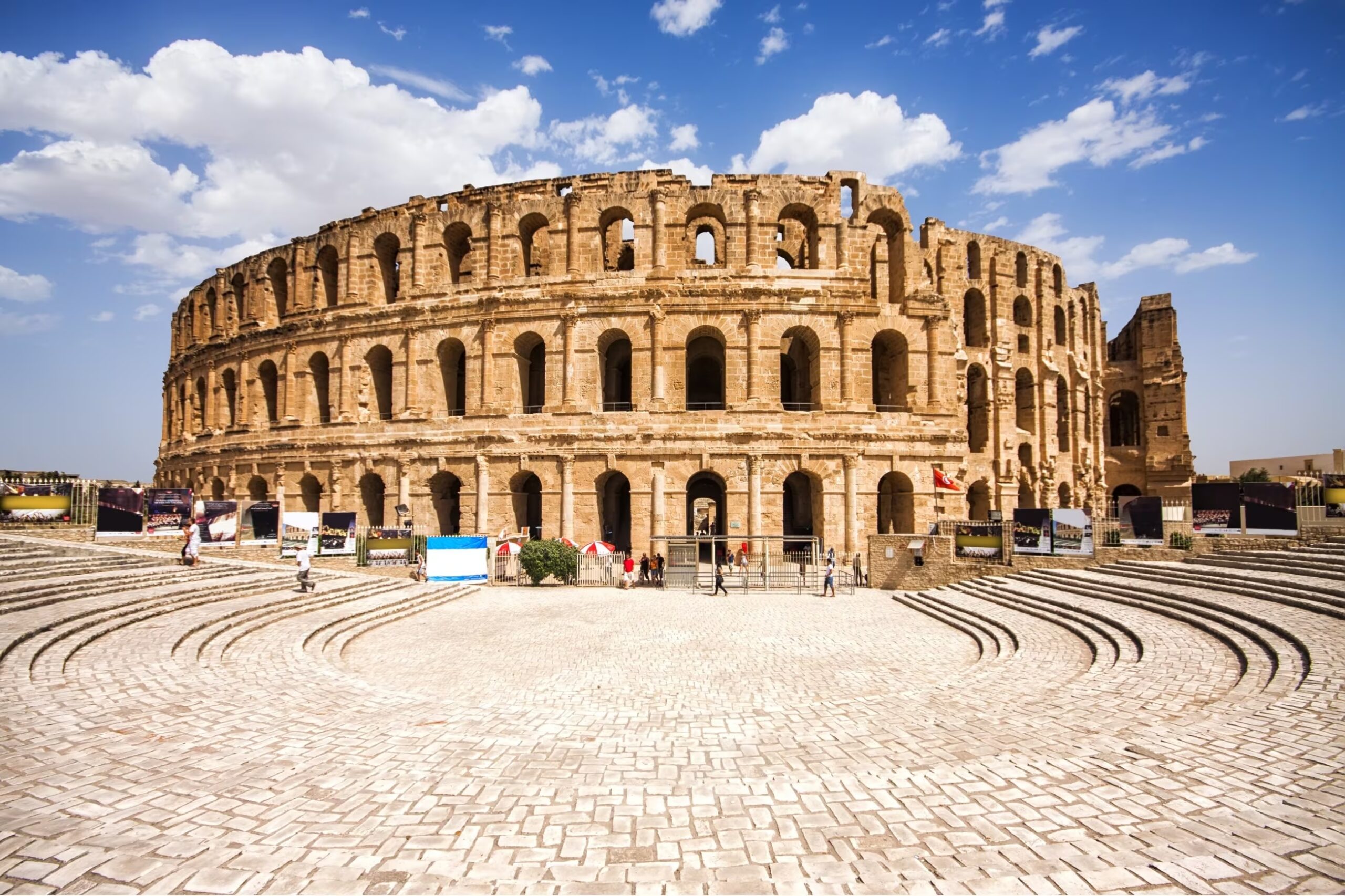
Celluloid Pact’s film fixer in Tunisia service supports visiting film, television, documentary and commercial units. The work covers agreed location recce, access enquiries, permit coordination, local sourcing and daily filming arrangements.
A brief may involve streets and properties around Tunis, coastal locations or a southern filming leg around Tozeur, Matmata and Tataouine. Each stop is checked against the scenes, working dates, equipment and size of the unit rather than treated as a standard itinerary.
Our line producer in Tunisia coordinates the wider production budget, schedule and supplier commitments within the agreed appointment. Fixing and line production can be engaged separately or together.
What Film Fixers in Tunisia Coordinate
Depending on the appointment, the deliverables can include:
- Recce photographs, notes and unresolved access questions.
- Location enquiries and agreed application support.
- Local crew and supplier availability checks.
- Equipment, vehicle and accommodation enquiries.
- Communication of confirmed filming arrangements.
Quotations and proposed arrangements are referred to the production’s named decision-maker; bookings are made only within the authority assigned to the fixer.

Film Fixers Tunisia: Location Recce and Access Checks
For Tunis, Sidi Bou Said and coastal settings, the recce records property boundaries, public activity, loading points, equipment positions and the working space available to the unit. Enquiries identify who controls each property or stretch of shoreline and what they need to consider the request.
For El Djem, Dougga and Carthage, the enquiry sets out the requested filming areas, the proposed activity and the equipment involved. Conditions on hours, equipment, crew numbers and reinstatement are confirmed with the relevant custodian rather than assumed from previous filming.
For Tozeur, Matmata, Tataouine and other southern locations, the recce covers route access, equipment movement, accommodation and the arrangements needed when the unit works away from its base. Water, fuel, communications and vehicle requirements are noted for the specific site and activity.
Recce findings distinguish visual suitability from availability, booking status and filming permission. Each is checked separately for the proposed dates and activity.

Permit Applications and Location Conditions
Application support starts with the proposed locations, dates, crew, equipment and filming activity. The fixer coordinates the documents and enquiries assigned to the team, follows up on responses and communicates conditions that affect the working arrangements.
Submission is not approval. The production confirms the permissions required for its particular shoot, and approval decisions remain with the relevant authorities and property custodians.

Local Crew, Equipment and Transport
Crew enquiries are made against the role, dates and experience required, with availability confirmed for the preparation and filming days in question. Equipment enquiries identify the specification requested and what local suppliers can provide for those dates.
Quotations are checked for inclusions, working hours, overtime, delivery and return arrangements so that the production can compare offers on the same basis. Vehicles are assessed for suitability, loading and the movements required by the itinerary, and accommodation enquiries follow the actual route and unit size rather than a standard allowance.
Where equipment is brought from abroad, the production confirms the applicable entry and re-export arrangements with its appointed customs broker before dispatch. The fixer coordinates the local enquiries and movements assigned to the appointment.
Film Fixer Tunisia: Shoot-Day Coordination
During filming, the fixer communicates the confirmed access arrangements to the departments affected, coordinates agreed supplier and vehicle arrivals, and keeps local contacts and property representatives informed of the unit’s timing.
Changes affecting access, working hours, equipment or supplier commitments are referred to the production before new arrangements are confirmed. Decisions outside the fixer’s authority go to the named decision-maker, and the resulting arrangements are recorded.

Coordinating Tunisia with Other Filming Legs
For a shoot continuing into Morocco or Jordan, the Tunisia team exchanges the agreed dates, equipment requirements and outstanding local enquiries with the teams responsible for the other legs. Our film fixers in Morocco and film fixers in Jordan address the local requirements of their respective shoots.
For multi-country shoots, the Middle East production team coordinates the agreed handover between the teams responsible for each filming leg. Permission or equipment arrangements confirmed for Tunisia are not assumed to apply elsewhere.
Local Arrangements Before Filming
Before filming, the production and its Tunisia film fixer review the confirmed locations, supplier arrangements, local contacts and outstanding decisions. Any conditions affecting the day’s work are communicated to the relevant departments.
The agreed scope determines which arrangements the local team coordinates and which remain with the visiting production.
