

Celluloid Pact’s line producer Tunisia service coordinates the agreed production budget, schedule, crew and supplier commitments for international features, series, documentaries and commercials. The appointment identifies who can approve spending, confirm bookings and authorise changes.
Line production in Tunisia starts with the scenes, proposed dates, locations and resources required. These inform the estimate and working schedule, including preparation, filming, travel and completion tasks.
Our film fixers in Tunisia support local recce, access enquiries and shoot-day arrangements. That support can be appointed separately or included alongside line production.
Line Producer in Tunisia: Budget and Schedule Preparation
The estimate is built from the production format, the scenes to be filmed, the number of filming days and the preparation each location and department requires. It records which crew travel with the production and which roles are sourced locally, with the engagement dates and working terms proposed for each.
Equipment, locations, accommodation and transport are costed from quotations for the actual dates and unit size. Where a decision is still open, such as a location not yet confirmed or an equipment package under review, the estimate shows the item as provisional and notes its possible effect on cost and schedule.
The working schedule sets out preparation days, filming days, travel and completion tasks in sequence. The producer approves the estimate and schedule before commitments are made, and later revisions are presented for approval in the same form, so the approved position is always clear.

Planning Shoots Across Tunisia
For Tunis and coastal locations, the proposed sites are sequenced around confirmed working hours, equipment movements, accommodation and supplier arrangements. Moves between city streets, properties and the shoreline are scheduled with loading and reset time rather than assumed to fit between setups.
For El Djem, Dougga and Carthage, the schedule follows each site’s confirmed access conditions and the setup requested there. Travel and filming time are assessed against the actual itinerary rather than assuming the three sites form a convenient circuit.
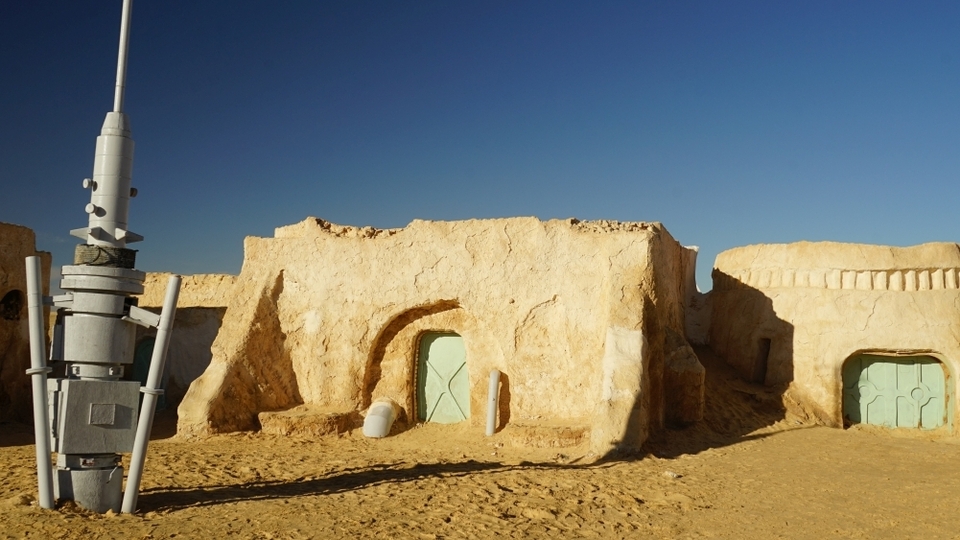
For Tozeur, Matmata, Tataouine and other southern locations, travel, vehicle requirements, accommodation and equipment support are assessed against the actual route and the order in which the sites are filmed. Where the unit stays, how equipment moves and whether a leg needs its own support vehicles are decided from the itinerary, not from a standard base or transfer allowance.
When comparing line producers in Tunisia, consider how each proposed team accounts for the actual itinerary, supplier responsibilities and changes to the filming plan.
Crew, Equipment and Supplier Commitments
Crew engagements record the role, engagement dates, working hours, overtime terms and any travel or accommodation included. Equipment quotations specify the package, accessories, rental period, operators where required, delivery and collection arrangements, and the charges that fall outside the quoted rate.
Each supplier agreement names the contracting party, the payment schedule, deposits and cancellation terms. The appointment states who may place bookings and up to what value, and additional expenditure beyond that authority is approved by the production before it is committed.
Line Producers Tunisia: Comparing Appointment Scope
Proposals should distinguish services included in the appointment from third-party costs and work retained by the visiting production. Compare the preparation and filming days covered, reporting responsibilities, booking authority and arrangements for changes or cancellation.

Location Permissions and Local Coordination
The production schedule records the status of location applications, access agreements and conditions affecting the proposed work. Pending requests are distinguished from confirmed arrangements so that unresolved access is visible when dates and supplier commitments are reviewed.
Local coordination feeds those updates into the working plan. Where a condition changes the setup, working hours or equipment required, the line producer assesses its effect on the budget and schedule and refers the decision to the authorised production representative.
Managing Changes During Production
A requested change is recorded as it arises: an added scene, a revised location, a longer day, a replacement crew member or a different equipment package. The line producer checks what it means for suppliers already booked, crew engagements, equipment periods and the filming dates around it.
The cost and schedule effect is put to the person holding the relevant spending authority, and the change proceeds only once approved. The working estimate and schedule are then updated, and the departments and suppliers affected are told what has changed and from when.
Tunisia Within a Multi-Country Production
Where a production continues into another country, the Tunisia plan identifies the dates, personnel, equipment and outstanding commitments involved in the handover. The Middle East production team coordinates the cross-territory work included in its appointment, while local requirements are checked separately for each filming leg.

Production Reporting and Completion
Reporting follows the frequency and format agreed at the start: committed costs, expenditure against the approved estimate, approved changes, outstanding supplier items and decisions awaiting the producer. At completion, equipment returns are checked and supplier accounts reconciled within the agreed scope. The final cost report identifies any disputed charges or missing supporting documents.
If the production proposes to include Tunisia film incentives and rebates in its financial plan, eligibility and any assumed benefit require separate confirmation with the relevant authority and advisers. The production appointment identifies who maintains the supporting records.
A Tunisia line producer’s appointment should make the remaining work at wrap clear: outstanding supplier commitments, equipment returns, approved changes and the reporting or reconciliation still due to the production.
