

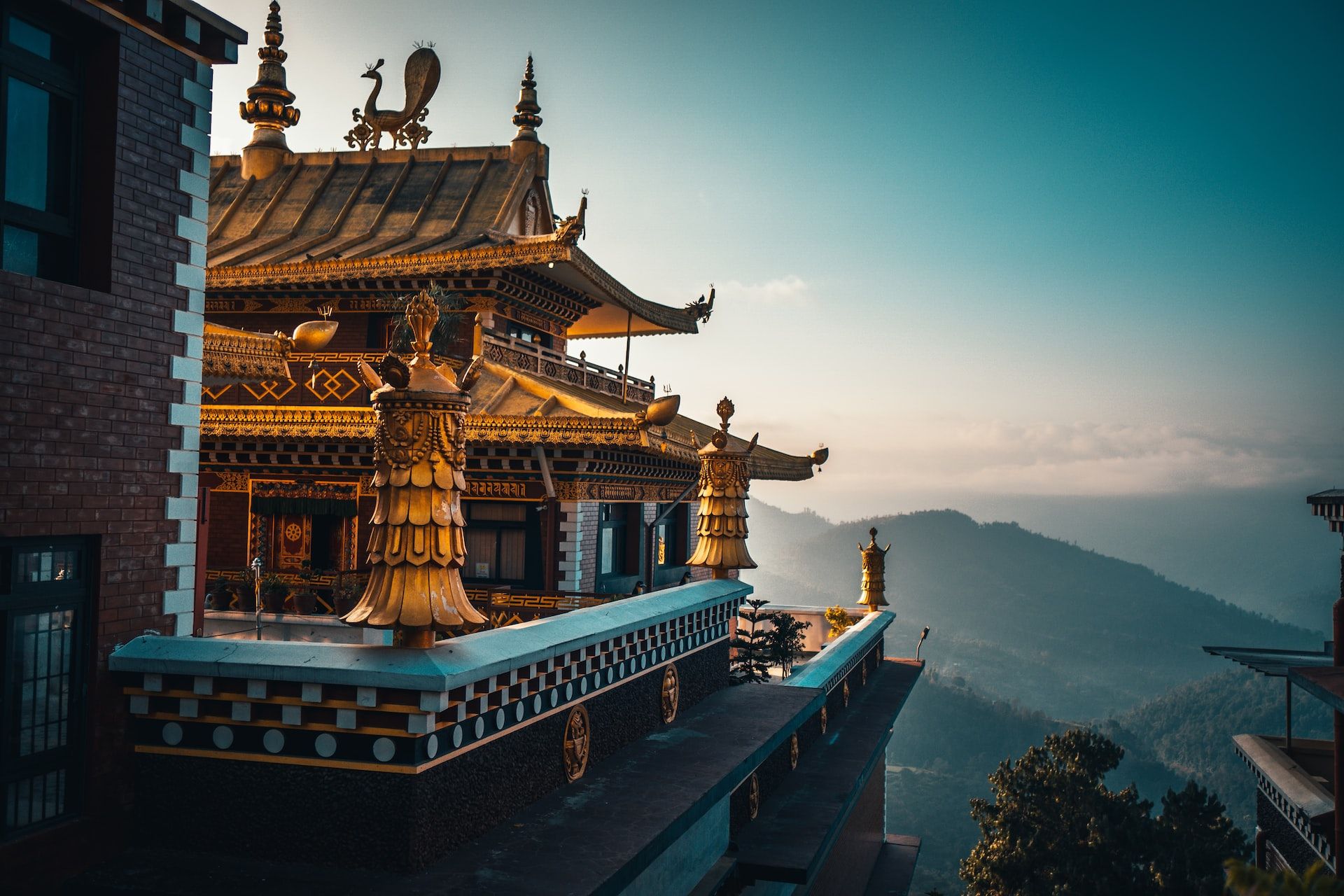
Celluloid Pact’s film fixer in Nepal service supports visiting productions with location recce, access enquiries, permit coordination, local sourcing and daily filming arrangements. The work starts with the scenes, dates, unit size and equipment the production intends to bring.
Support can cover a Kathmandu Valley shoot, a Pokhara filming leg or selected locations farther from the production base. The practical questions differ at each stop: who controls access, where the unit can work, what needs approval and which arrangements remain unconfirmed.
For budget preparation, schedule management and wider supplier commitments, a line producer in Nepal can coordinate that work alongside fixing. The two functions can be appointed together or separately.
Location Recce and Access Enquiries
A useful recce records more than the view. It checks the proposed camera positions, access hours, public activity, loading and parking, available working space and any restrictions that could affect equipment or movement.
Location notes distinguish visual suitability from availability and permission. Photographs, contact details and stated conditions help the visiting production compare options, while unresolved questions remain clearly identified.
Kathmandu Valley
For streets, squares and properties around Kathmandu, Patan and Bhaktapur, enquiries establish who manages the selected location and what information they need to consider filming. The recce checks how the unit can arrive, unload and work without assuming control of surrounding public space.
At active religious or heritage locations, the proposed activity matters as much as the address. Interior filming, lighting, sound recording and movement around visitors or worshippers need to be described accurately in the enquiry.

Pokhara and Nearby Locations
For a Pokhara filming leg, recce visits check access to the selected lakeside properties, streets or surrounding locations, together with loading points and the working space available. Local transport, accommodation and supplier enquiries follow the actual itinerary.
Any crew or equipment travelling from another base is identified early so the production can account for delivery, collection and return movements.

Remote and Mountain Locations
For locations beyond straightforward road access, local enquiries cover the route, accommodation, equipment movement, communications and available support. Findings feed into the production’s schedule and risk planning; a location photograph alone cannot establish whether the shoot is practical.
Specialist mountain, medical and aviation arrangements require the appropriate advisers and operators. Local fixing supports those preparations but does not replace specialist assessment or authorisation.
Filming Applications and Location Conditions
Nepal’s Film Development Board publishes a filming permission procedure involving an assigned local coordinator, production documents and location-dependent consents. The applicable requirements need to be checked against the proposed production and selected sites.
The fixing team gathers the location information assigned to it, coordinates with the appointed local coordinator and follows up on outstanding questions. The application needs an accurate account of the filming dates, crew, equipment and activity; changes to that plan may require further enquiries.
Submission does not establish approval. Before filming, the team communicates confirmed access conditions and identifies anything still awaiting a decision. Aerial work, restricted locations and equipment entry are checked separately where relevant to the brief.
Local Crew, Equipment and Transport
Crew enquiries specify the role, experience, working languages and dates required. Availability is checked for recce or preparation days where needed, not only the filming dates.
Equipment enquiries follow the requested specifications and any alternatives the production is willing to consider. Quotations should make the inclusions, hire period, delivery, collection and return arrangements clear before a booking is approved.
Transport planning identifies passengers, equipment loads, pick-up points and the movements needed during the day. Vehicles and accommodation are considered against the route and unit requirements rather than treated as a standard package.
Where equipment arrives from abroad, the appointed customs broker confirms the entry and re-export arrangements. The fixer coordinates the local collection, transfer or return work included in the assignment.
Shoot-Day Coordination
On filming days, the fixer communicates agreed access arrangements, meets local contacts and coordinates the supplier and vehicle arrivals assigned to the team. Location representatives need to know when the unit expects to arrive, what activity is planned and whom to contact if arrangements change.
If a location becomes unavailable or a supplier cannot deliver as agreed, the fixer reports the facts and available alternatives to the production. Changes involving extra expenditure or a different filming activity are referred to the authorised decision-maker before commitments are made.
Local support continues through the agreed departure and return arrangements: equipment collection, property handback, outstanding supplier questions and any local costs that need recording.
Information Needed for Local Preparation
The initial working brief should identify:
- The production format and scenes or settings required.
- Proposed preparation and filming dates.
- Locations already selected and those needing recce.
- Travelling crew, unit size and roles to be sourced locally.
- Equipment arriving with the unit and equipment to hire.
- Night work, aerial filming, remote access or other specialist activity.
- The production contact responsible for approving bookings and changes.
These details allow enquiries to address the actual shoot rather than a general request to film in Nepal.
