

Celluloid Pact provides line production in Nepal for international features, television, documentaries and commercials. The work covers budget preparation, scheduling, crew and supplier bookings, transport and production reporting, with responsibilities agreed for the shoot.
A Kathmandu-based shoot, a move to Pokhara and a remote mountain schedule need different plans. Preparation brings together filming days, travel, equipment movements, accommodation and outstanding approvals so that the production can assess the cost and practicality of its proposed itinerary.
Line Production in Nepal
A line producer turns the production brief into a working budget and schedule. That starts with the script or treatment, proposed locations, dates, crew requirements and equipment list, followed by quotations and availability checks.
Supplier offers need to be compared on the same basis. Preparation days, working hours, overtime, transport, taxes, delivery and return arrangements can change the total even when the headline rates look similar. The production agrees who contracts each supplier, approves expenditure and handles payments.
During preparation and filming, confirmed bookings and cost changes are recorded against the working budget. Reporting identifies what has been committed, what has been paid and what remains outstanding. After wrap, supplier invoices, returns and local expenditure are reconciled.
Building the Budget and Schedule
The estimate needs to cover more than filming days. Recce visits, preparation, travel, company moves, accommodation, equipment transport and wrap can all require separate allowances. Their scale depends on the locations and how the unit intends to work.
The Nepal film production rates guide provides cost benchmarks and a worked example. A project estimate still needs quotations for the actual dates, locations and equipment requirements.
The schedule distinguishes confirmed arrangements from provisional ones. A location awaiting consent, a transfer awaiting confirmation or equipment not yet booked remains an open item, with the consequence for the shoot made clear. Weather and travel allowances are assessed for the proposed route rather than added as a standard number of days.
Planning Kathmandu, Pokhara and Remote Locations
Kathmandu Valley
For a Kathmandu Valley schedule, planning starts with the selected properties and streets, their available filming hours and the movements between them. Parking, loading, equipment storage and the space needed by the unit are checked during preparation. A short distance between locations does not by itself establish how quickly the company can move.

Pokhara and Onward Travel
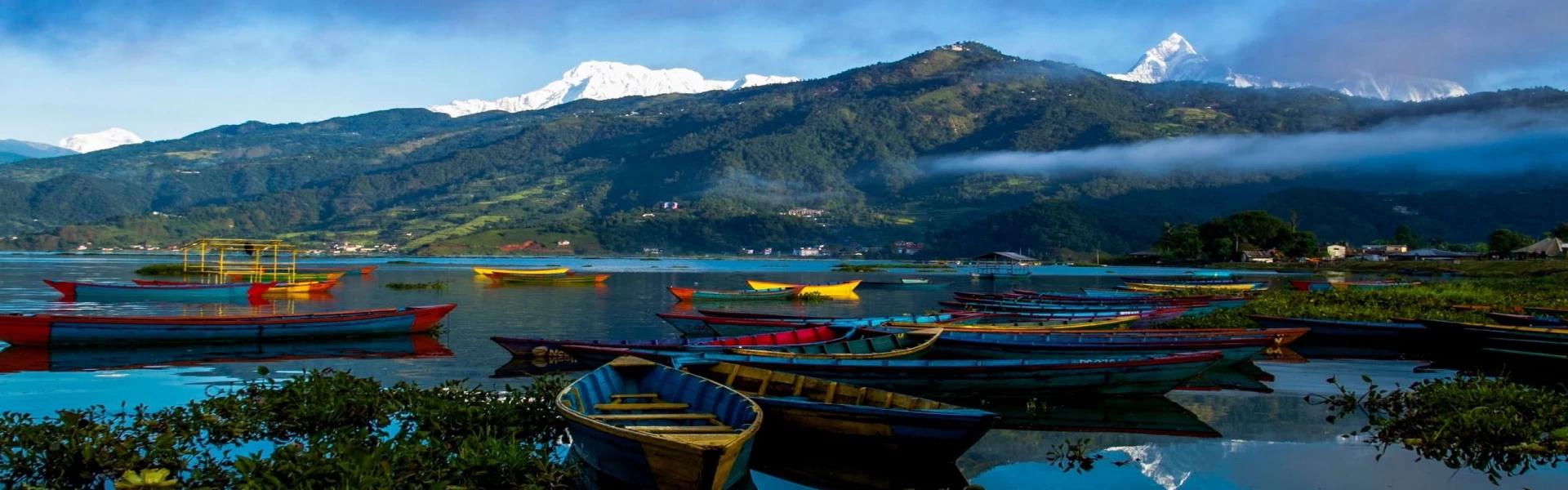
A Pokhara filming leg needs its own accommodation, transport and supplier plan. Any crew or equipment travelling from another base is included in the schedule, along with delivery, collection and return movements. Locations around the lake or farther into the hills are assessed individually for access and working arrangements.

Mountain and Remote Locations
Remote filming changes the size and movement of the unit. The plan considers travel stages, accommodation capacity, equipment loads, charging, supplies and access to support. The production needs to know what can reach each location, by which route, and what happens if that movement is delayed.
A mountain setting is not a complete itinerary. The selected sites, filming activity and conditions determine the transport and support required.
Crew, Equipment and Supplier Coordination
Crew enquiries are made against the roles, experience, working languages and dates the production needs. Availability is checked for preparation and wrap as well as filming. The equipment list should specify the required package and any acceptable alternatives before quotations are compared.
Bookings record the agreed inclusions, working hours, overtime, delivery and return terms. Transport and accommodation follow the actual unit size and itinerary, including any separate movements for equipment or support personnel.
Where the brief requires crew or equipment from India, the line producer India team can support enquiries on that side. Compare those options with local sourcing, including travel, freight, entry requirements and return movements.
Permissions, Equipment Entry and Mountain Planning
Nepal’s Film Development Board publishes a filming permission procedure involving an assigned local coordinator, production information and location-dependent consents. The production schedule should account for the requirements that apply to the proposed shoot, rather than assume that one approval covers every location or activity.
The line producer works with the appointed coordinator to track application information, outstanding decisions and their effect on bookings. Permission decisions remain with the relevant authorities and site managers.
Crew-entry requirements are checked for the people travelling and the work they will perform. Equipment-entry and re-export arrangements are confirmed with the appointed customs broker before dispatch. Freight, clearance and return movements must be reflected in the schedule and estimate.
For mountain work, the schedule and support plan are developed with appropriate local specialists and the production’s medical adviser. Transport limitations, weather disruption, communications, accommodation and emergency arrangements are assessed for the actual locations. Where aviation is proposed, the operator confirms feasibility, operating conditions and applicable requirements; the schedule must not depend on guaranteed flight availability.

Local Fixing and Production Handover
For location recce, access enquiries, application follow-up and day-to-day local arrangements, the film fixer in Nepal service covers that support. Fixing and line production can be engaged together or separately.
Before filming, the production team reviews confirmed bookings, outstanding approvals, supplier contacts and decisions that could affect the schedule.
