

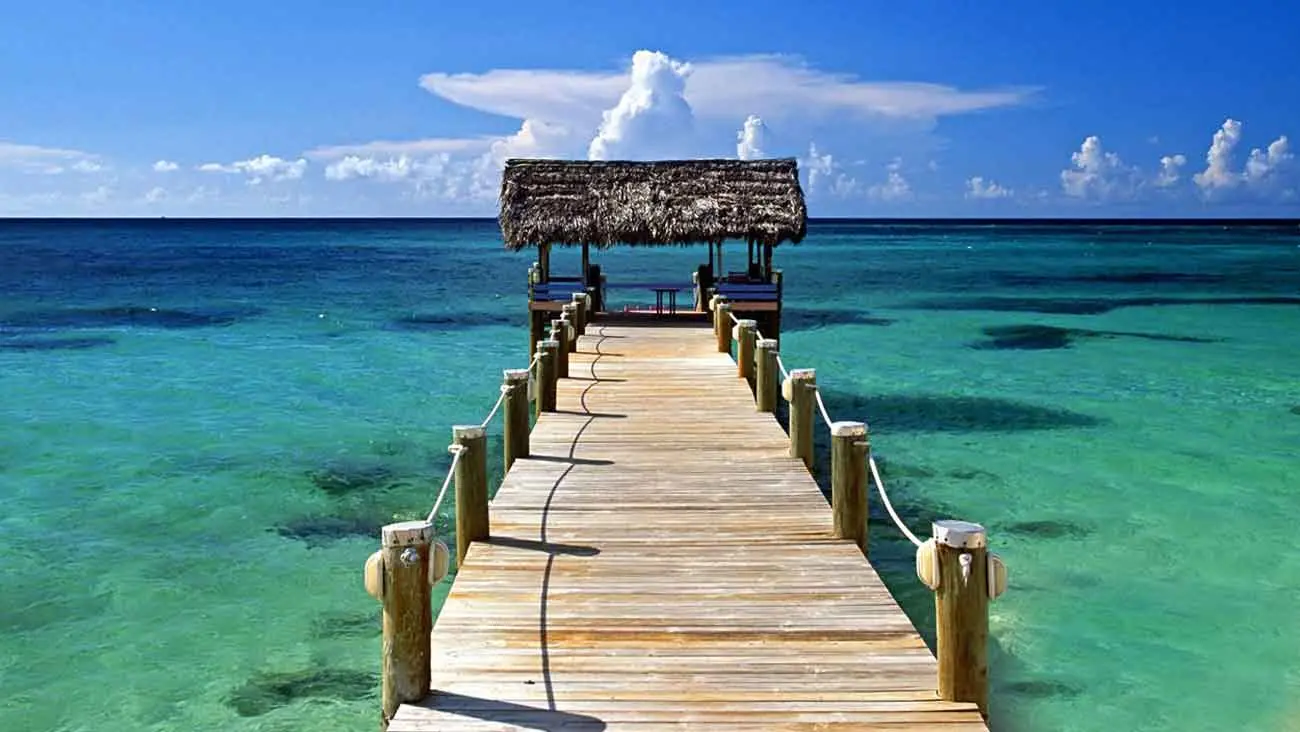
Goa is the strongest Indian combination of European old-town heritage and international-grade beach belts within a single production corridor. The Latin Quarter of Fontainhas in Panjim, the Bom Jesus Basilica and Sé Cathedral complex in Old Goa, Reis Magos and Aguada forts on the headland, the long crescent of Palolem in South Goa, and the North Goa beach belt from Vagator down to Calangute all sit within the same 105-kilometre coastal strip. Film fixers in Goa and the Goa line-producer network handle the GES single-window, the Captain of Ports beach NOC, ASI heritage clearances at Old Goa, and the four-zone shoot logistics that move a single schedule between Panjim, Old Goa, North Goa beaches, and the South Goa resort coast.
Most Goa shoots route through Mumbai for equipment, crew and production base. See our Line Producer Mumbai page for the operational hub that supplies the corridor. Goa operates as the western-coast beach-and-heritage corridor within our line producer India network, which spans Delhi, Rajasthan, Kerala and the southern studios.
This page covers how line producers and film fixers in Goa actually run shoots across the four working zones: Panjim and Old Goa, North Goa beaches, South Goa resort coast, and the Western Ghats interior. Permits, the Captain of Ports NOC that catches first-time producers off-guard, the Mumbai–Goa corridor most productions operate out of, the international precedent from Bourne Supremacy onward, and the operational reality of monsoon shutdown from June to September.
How Goa’s production layer operates
Two facts shape every Goa shoot. The first is that Goa runs a comparatively streamlined film-permit process. The Entertainment Society of Goa operates the state single-window process and coordinates the relevant local authorities, commonly clearing standard permits in roughly seven to ten days against the two to three weeks Mumbai takes on the same shoot spec; location-specific property, tourism, forest, coastal and heritage approvals may still apply. The second is that Goa is functionally two markets (North and South) with overlapping crew but very different location aesthetics and very different rate bands.

Film fixers in Goa, India’s fastest permit market
Film fixers in Goa work the Goa Entertainment Society (GES) as the state’s single-window film cell, with GTDC handling tourism-board locations like beaches, gardens and state-owned heritage sites. Both run a working online application system, both respond inside two weeks for standard requests, and the cost of state permits is meaningfully lower than the Maharashtra or Delhi NCR equivalents. The Goa Film Festival and Goa government’s active courting of production has built a state-level goodwill that productions feel from the first application onward.
The trade-off is that this fast permit system only covers Goa-jurisdiction items. The moment a shoot touches an ASI-protected church or fort, a Captain of Ports zone, a Western Ghats forest reserve, or a panchayat-controlled village, separate clearance tracks open up. A working line producer in Goa is really stitching GES, GTDC, Captain of Ports, ASI, Forest Department, Goa Police and the relevant panchayat into one timeline.
North vs South Goa, two markets, two aesthetics

North Goa is the young, dense, party-influenced belt. Anjuna, Vagator, Morjim, Ashvem, Arambol, Calangute and Baga together run a year-round international crowd (Israeli, Russian, British, Australian, increasingly Indian metro), and the visual texture of North Goa reflects that: beach shacks, hippie markets, electronic music festivals, and fishing villages alongside resort compounds. Most Bollywood beach work and a significant share of the OTT young-adult slate shoots North Goa for this reason.
South Goa is the upscale, slower, palm-coast belt. Cavelossim, Mobor, Varca, Benaulim, Colva, Agonda, Palolem: long stretches of resort properties, fishing communities, and the cleanest beach lines on the western Indian coast. Premium ad films, international auteur productions and slower-paced features default to South Goa for this combination of visual emptiness and production-grade hospitality infrastructure.
The Mumbai–Goa corridor

Most Goa shoots over a certain budget tier route through Mumbai. International crew and equipment fly into Mumbai, the production office and customs coordination sits Mumbai-side, and the unit moves down to Goa either by overnight road (eleven hours via NH66) or by the one-hour flight to Dabolim. Goa shoots that need ARRI or Red packages, lighting trucks or specialised grip almost always pull the equipment out of Mumbai because Goa’s local equipment market covers commercial and basic feature spec but not the top international tier.
Production bandwidth, what Goa delivers
Goa runs a wider production spectrum than most second-tier markets in India. The international precedent goes back further than most realise, the Bollywood calendar is continuous, the ad-film and music-video market is the densest in the country outside Mumbai, and the European-stand-in angle on Old Goa is the layer that gives Goa a separate commercial argument. Productions looking for a film production fixer in Goa can use the state’s established coastal-production ecosystem without rebuilding crew, equipment and permit relationships for each location.
International film precedent
The Bourne Supremacy shoot in 2003–2004 significantly elevated Goa’s visibility as an international production destination through the Palolem chase sequence, the Panjim Portuguese-era lanes and the South Goa villa setups. The film established that Goa could carry a top-tier Hollywood action shoot end to end without the production friction that haunts most India shoots for international units. Other international productions have followed steadily, including documentary slates, European feature work, Russian-language productions, and a continuous run of international music videos and brand films.

Palolem and the South Goa international shoot
Palolem beach in South Goa is the single most internationally-recognised film location in the state. The beach’s crescent shape, the rocky islets visible offshore, the row of coconut palms behind the sand. This is the South Goa frame that opens or closes most international Goa sequences. Captain of Ports clearance for sand or water shoots at Palolem typically lands in three to four weeks for a clean application; the panchayat NOC for the village-side road and beach-access drop adds another step on top.

Bollywood beach standard
The Bollywood Goa calendar is continuous. Dil Chahta Hai defined the Bollywood-in-Goa aesthetic and the road-trip-to-Goa narrative for an entire generation; Finding Fanny shot the full feature on Goa village locations and is one of the cleanest examples of Goa-as-character rather than Goa-as-backdrop in Indian cinema; Go Goa Gone, Talaash, Bhaag Milkha Bhaag sequences, the long tail of Hindi songs shot on Calangute and Vagator. The production calendar is busiest from October through March. A line producer running the Goa floor knows the Bollywood crew bench, the standard locations and the timing windows that work around tourist season crowds.

Ad films, music videos and OTT
Outside the feature calendar, Goa runs as one of India’s busiest ad-film and music-video locations outside Mumbai. Resort properties along the South Goa coast double as ready-made production base camps; the Panjim and Margao crew bench can stand up a small-to-mid commercial shoot inside a week; OTT young-adult and lifestyle content uses the North Goa belt as a default setting. The fast permit pipeline and the schedule-efficient hospitality make this work commercially viable in a way it isn’t in Mumbai for the same spec.
Goa as European and Mediterranean stand-in
The Portuguese-era architecture of Old Goa and the Latin Quarter of Fontainhas in Panjim give Goa a stand-in capability nowhere else in India can match. The yellow-and-white colonial façades, the cobbled lanes, the baroque churches of Sé Cathedral and Bom Jesus Basilica, the hilltop forts of Reis Magos and Aguada: these stand in for Portuguese, Spanish, Italian and Latin American coastal locations regularly. The Bourne Supremacy Panjim sequences used exactly this pattern. Any production that needs a southern-European coastal-town frame without European production costs treats Goa as the first option. For the wider picture of filming locations across India, see our India stand-in guide.

Permits, jurisdictions and clearances
The fast Goa permit reputation rests on the GES single-window working well for the routine 70 percent of shoots. The other 30 percent (church shoots, beach shoots, fort shoots, forest shoots) trigger separate clearance tracks that take longer and need different documentation. A working Goa line producer holds all four in their relationship network and launches them in parallel rather than sequence.
Goa Entertainment Society and GTDC
GES handles the bulk of general film-shoot permission applications for Goa-jurisdiction locations. The application is online, the response window sits at one to two weeks for standard requests, and the fee structure is genuinely modest. GTDC handles state-owned tourism-board locations: specific beaches under tourism management, gardens, sound-and-light venues, state-controlled heritage properties. The Entertainment Society of Goa operates the state single-window process and coordinates the relevant local authorities, while GTDC covers its tourism-board locations; location-specific property, tourism, forest, coastal and heritage approvals may still apply.
Captain of Ports, the beach and water NOC
Productions working within Captain of Ports jurisdiction require a separate NOC, which sits apart from the GES film permit. This is one of the most common reasons a first-time Goa production loses a shoot day: the producer assumes the GES permit covered the beach, the unit shows up, and the Captain of Ports presence on the day blocks the shoot until clearance arrives. The published circular asks applicants to file at least three working days ahead, although complex beach, vessel and marine-unit work should carry a longer planning allowance; from first-hand experience we budget roughly three to four weeks as a planning allowance rather than an official processing period.
Old Goa churches, ASI properties and forts
The Bom Jesus Basilica, Sé Cathedral, the Church of St Francis of Assisi, the Church of Our Lady of the Rosary and the Convent of Santa Monica anchor the Old Goa heritage complex. Centrally protected monuments in Old Goa require the applicable ASI process from the Goa circle office, with lead times of roughly three to five weeks, while active churches, private properties and surrounding public areas may retain separate approval routes. The Catholic Church authorities also maintain their own protocols for any working religious site, so a line producer experienced in Old Goa work runs both ASI and Church coordination in parallel.
Forest department and Dudhsagar
Dudhsagar Falls, the Mhadei wildlife sanctuary, the Bhagwan Mahavir sanctuary and the broader Western Ghats interior of Goa sit under Forest Department jurisdiction. Dudhsagar in particular has tight visitor controls during monsoon and post-monsoon (June through November) and requires forest NOC plus often a guide-and-vehicle restriction. Productions planning a Dudhsagar shoot lock dates four to six weeks ahead.
Routes, weather and operational logistics
Goa is two airports, one coastal highway, and a tight 105-kilometre north-to-south working geography. The operational numbers below are what we plan call sheets and transport against.
Distance, drive time and the airport split
| Route | Distance | Drive time | Best window |
|---|---|---|---|
| GOI Dabolim Airport ↔ Panjim | ~30 km | 45–60 min | year-round |
| GOI Dabolim ↔ Calangute (North Goa centre) | ~40 km | 75–90 min | Oct–Mar |
| GOI Dabolim ↔ Palolem (South Goa) | ~70 km | 90 min–2 hrs | Oct–Mar |
| Mopa (Manohar Int’l) ↔ Calangute | ~35 km | 60 min | year-round |
| Panjim ↔ Old Goa | ~10 km | 20 min | year-round |
| North Goa (Vagator) ↔ South Goa (Palolem) | ~100 km | 2.5–3 hrs | Oct–Mar |
| Mumbai ↔ Goa (road via NH66) | ~580 km | 11 hrs overnight | Oct–Mar |
| Mumbai ↔ GOI (flight) | n/a | 1 hr | year-round |
| Bangalore ↔ Goa (flight) | n/a | 1 hr | year-round |
Mopa (the new Manohar International Airport) opened in 2023 and changed the North Goa air-access equation. International productions flying direct now have the option to land at Mopa and drive sixty minutes to Calangute, instead of routing through Dabolim and adding ninety minutes of South-to-North drive time. For Mumbai-based productions the flight pattern hasn’t changed much, since Dabolim still serves Mumbai shuttles better. For European or Middle East direct flights, Mopa is the new entry point.
Weather, monsoon and the shoot calendar
Goa runs three windows. October through March is the prime calendar: cool mornings, clear afternoons, low humidity, the cleanest light Goa gets, and the peak tourist season that overlaps with peak production demand. December and January are peak-of-peak: high season, holiday rates on every hotel and shoot location, the Sunburn festival impact on Vagator, and crew rates on the upper edge of the band.
April and May are humid pre-monsoon, hot, with outdoor windows tightening to early morning and late afternoon. Crew and hotel rates ease materially. June through September is monsoon: heavy and continuous, heavily constraining exterior and marine work. The sea turns unworkable for beach shoots, sand and water permits stop, the Captain of Ports zone is restricted, and most professional production shifts entirely to studio or moves out of state. A small monsoon-tolerant ad-film and OTT calendar runs through June–September for productions that want the wet visual aesthetic, but it is the exception, not the norm.
Engaging a line producer in Goa
A line producer in Goa is often brought in later than producers expect because Goa is the easiest Indian production market to underestimate. The fast permit timeline and the small geographic footprint make a producer think the shoot will run itself. It usually doesn’t, because the multi-jurisdiction reality of beach, church, fort, forest and panchayat permits, the Mumbai-corridor equipment dependency, and the monsoon shutdown all need somebody holding the schedule together as one operation.
What a Goa line producer holds
A working set of film fixers in Goa holds standing relationships with GES, GTDC, Captain of Ports, ASI Goa circle, Catholic Church authorities for Old Goa, Forest Department for Western Ghats interior, Goa Police, and the relevant panchayat for village-level access. That is seven separate authority relationships on a multi-location Goa schedule. A line producer with standing relationships in all seven launches applications in parallel and handles on-the-day exceptions at a phone-call level, which is what makes the difference between a Goa shoot that runs to call sheet and one that loses a day at every multi-jurisdiction location.
The equipment side runs through the Mumbai corridor for any production above commercial spec. Goa-local vendors cover camera-and-lens packages adequately for ad-film and basic feature work; lighting trucks, generators, top-tier grip, and most specialised gear road in from Mumbai. The line producer team handles the equipment movement and the unit transport between Mumbai office and Goa floor as a single operation rather than two separate vendor briefs.
Lead times and budget bands
Standard lead times: ten to fourteen days for a Goa-only shoot using GES + GTDC permits and a local crew bench; three to four weeks if the shoot needs Captain of Ports clearance for beach or water work; four to six weeks for Old Goa church shoots or Dudhsagar forest access. Add a week for any production routing equipment from Mumbai.
Goa day rates sit below Mumbai for comparable crew and equipment spec, and meaningfully below Delhi NCR for the same production tier. The multi-territory schedules that come through our office routinely combine Goa with Mumbai as a single operational brief, with one line producer team holding the schedule end to end rather than splitting it across regional vendors. That is the operational shape most of our Goa briefs end up taking: a tight in-state schedule supported by the Mumbai corridor, run as one production rather than a chain of regional vendor handoffs.
