

A line producer Mumbai team holds the budget, schedule and contracting for a shoot in the city, while film fixers in Mumbai handle locations, municipal and site permissions, local crew and daily logistics. Feature films, OTT series, ad films, music videos and documentaries shoot here in parallel, and much of the studio infrastructure from Bandra to Film City to Yash Raj Studios, the crew bench, the post-production market, the talent pool and the equipment inventory sits within a 30-kilometre working radius.
Celluloid Pact has coordinated productions across Mumbai spanning independent features, commercial campaigns, prestige OTT series and international productions routing through the Bollywood infrastructure. Our Mumbai team works within the India-wide network, coordinating permit applications, studio bookings, crew assembly, equipment sourcing and multi-state production from the Mumbai base.
Mumbai’s place in India’s film production landscape
Film fixers and line producers in Mumbai operate across this density as one corridor. Units may combine Film City, Bandra and South Mumbai within one schedule, subject to confirmed permissions, traffic windows and location access, with Film City access permits coordinated through the Maharashtra Film, Stage & Cultural Development Corporation (MFSCDC Ltd.). Our Indian operations sit under a multi-state structure, and Mumbai is the western anchor of that network and the city many international and Indian productions base out of or pass through.
This page is the operational read of how the Mumbai market actually works: the studios, the crew pool, the production spectrum from indie short to international tentpole, the rate ranges productions plan against, the routes that hold the city together, and what a single line producer in Mumbai brings to a real shoot day.
How Mumbai’s production layer operates
Two structural facts shape every Mumbai shoot. The first is that the city holds a wide range of production disciplines, cameras, lights, art, costume, sound, post, talent, agency, OTT commissioning, within the same 30-km belt. The second is that the studio system, the open-city shoot model and the OTT pipeline run in parallel rather than in competition. A line producer working in Mumbai is moving units across all three layers in any given week.

Studio and sound-stage infrastructure
The line producer role sits inside the studio and sound-stage layer, coordinating access to Film City, Filmalaya, Mehboob and the major private studio inventory. Film City Goregaon, officially Dadasaheb Phalke Chitranagari, is the spine: a 520-acre government complex with sound stages, outdoor locations and standing sets. Bookings run through MFSCDC Ltd. Celluloid Pact uses a two-to-four-week planning allowance for standard stage requirements, but availability and confirmation depend on the official booking office. Film fixers in Mumbai maintain current booking contacts and availability knowledge across Film City and the private studio inventory.
Around Film City sits the private studio cluster: Mehboob Studios in Bandra (historic, smaller, character-rich), Filmistan Studios in Goregaon, YRF Studios in Andheri (a fully integrated private complex), and Whistling Woods inside Film City itself. ND Studios in Karjat, ninety minutes from central Mumbai via the Mumbai–Pune Expressway, carries a large sound-stage campus and serves as an overflow option when central studios are booked out. Madh Island holds a working cluster of smaller stages and outdoor sets near the beach belt.
The crew pool
Mumbai carries a large concentration of department heads, DOPs, gaffers, focus pullers, art directors, sound recordists, editors and post operators. The cross-training across feature, OTT, ad film and music-video standards is what makes the same crew bench viable for very different project types in the same month. Applicable federation, association and crew-engagement requirements, including FWICE where it applies, must be confirmed for the production and its format. A film fixer in Mumbai pulls from a crew pool in which feature, OTT, ad-film and stand-in crews rotate within the same hub.
For international productions, the practical implication is that a single line producer Mumbai brief can assemble locally available crew and equipment for a feature unit, a Hindi-language indie, an ad-film commercial or an OTT limited series, subject to the specifications, dates and availability of each. Equipment hire mirrors the same density: ARRI, Red and Sony Venice packages are stocked locally, with the package confirmed against the brief.

Production types supported by line producers in Mumbai
The spectrum Mumbai handles runs from a one-day indie short to a multi-month international tentpole. Mumbai runs these tiers side by side. The bandwidth comes from the studio system, the parallel OTT pipeline, and the ad-film economy that turns over crew weekly.

Hindi feature production
The Hindi feature ecosystem produces a large annual slate of theatrical and direct-to-OTT titles. Studio-system pictures, the Yash Raj, Dharma, Excel, Maddock, Phantom slates, share the same crew bench as the mid-budget independent tier and the genre-experiment tier (Stree, Badhaai Ho, the Drishyam franchise). The line producer Mumbai role on a Hindi feature is essentially the bridge between the producer’s budget and the day-to-day shoot floor, holding vendor relationships, union compliance and permit coordination as one operation.

OTT and streaming pipeline
Major domestic and international streaming platforms commission and produce from Mumbai. Since 2020, limited series and feature-length OTT originals have added to annual crew utilisation across Mumbai. As a Celluloid Pact planning observation, OTT limited-series scheduling tends to need eight to twelve weeks for crew lock and six to ten weeks for studio booking on premium stages, with the actual window confirmed per project. Film fixers in Mumbai working the OTT pipeline coordinate the parallel-track demands of multiple production houses running on overlapping schedules across the same crew and equipment pool.
Ad films and brand content
The Mumbai fixer team coordinates the ad-film execution layer: brand-safety compliance, agency-facing daily reports, casting pass-through and the rapid vendor turnaround that commercial timelines demand. Agency density in Lower Parel, BKC and Andheri pairs with a large production-house cluster to turn over a continuous shoot calendar. In our planning experience, ad-film day rates are often quoted above long-form work, reflecting the faster turnaround and the equipment specifications ad films typically use. International campaigns for banks, consulting firms, telecom and technology companies may use Mumbai for its crew and equipment base, with Gurugram providing corporate-glass settings through our Film Fixers In Delhi team.
See our national breakdown of ad film production cost in India, including crew, equipment, location and post-production benchmarks.

International productions and Mumbai-as-stand-in
The international precedent on Mumbai is deep. International productions including Salaam Bombay!, Slumdog Millionaire, Million Dollar Arm, Eat Pray Love and Mission: Impossible – Ghost Protocol have all used Mumbai locations to varying degrees, from Mira Nair’s late-eighties feature to Dharavi and Colaba locations and the more recent action sequences.
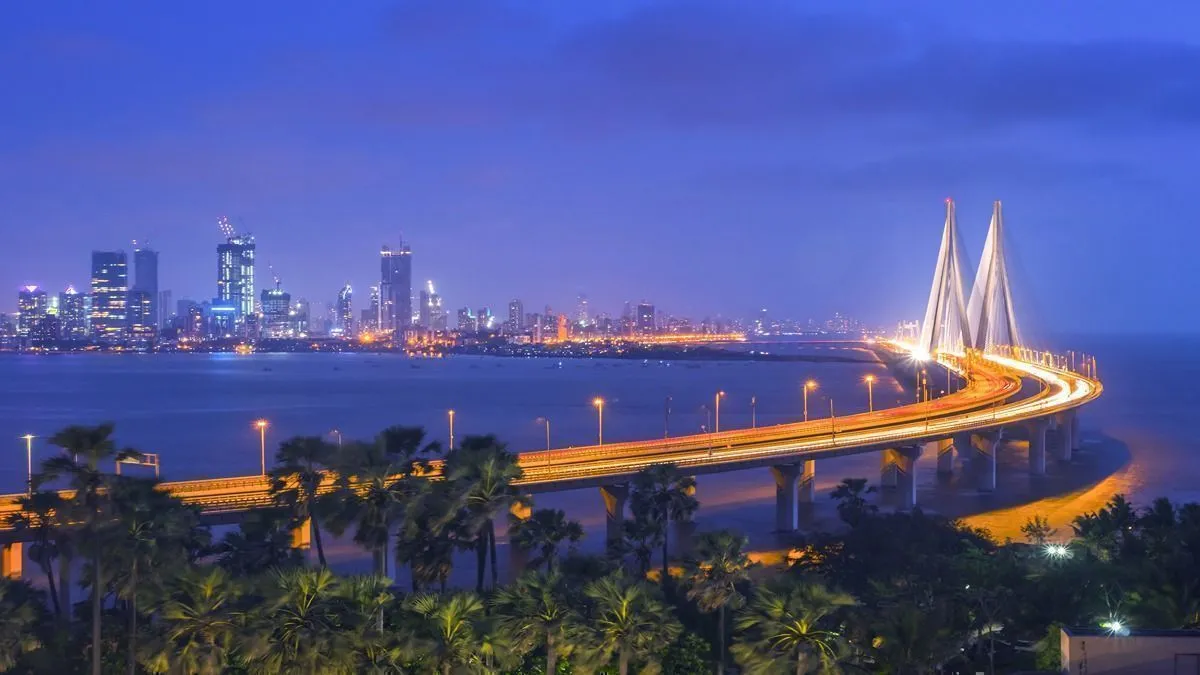
The recurring stand-in patterns: South Bombay’s colonial architecture reads as British or European period exterior; the Bandra–Worli Sea Link skyline reads as a generic Asian financial-district plate; Dharavi reads as developing-world urban texture for documentary, drama and aid-sector work. Each of these stand-in patterns has a permit, crew and location-fixing routine that a working line producer holds. Film fixers in Mumbai handling international briefs operate as the front of the national production network, and Mumbai routes many international units onward to Delhi, Goa, Kerala and Rajasthan.

The Dharavi shoot pattern is worth a separate note. The location has its own working community of fixers and resident coordinators; respectful access is the operational norm, not a press-release line. Any international or domestic shoot that needs Dharavi works through that community first, and that relationship sits inside the line producer’s established vendor network rather than being rebuilt per project.

Rate ranges, what budgets look like in Mumbai
These are Celluloid Pact planning estimates based on production experience, not published vendor rates or authority service standards. The numbers below are working bands, not vendor quotes. Actual rate depends on the tier of the project, the season and current demand, the crew’s past credits, which a working line producer vets during prep for international briefs, and the equipment package spec. A line producer Mumbai typically schedules outdoor shoot windows between October and February.
Crew day rates by role
Typical professional day rates commonly fall within the ranges below depending on credits, project scale, equipment package and shoot complexity. Rates fluctuate with peak-season demand, senior-tier availability and the specific vendor relationships a production carries; treat the bands as a working baseline for budgeting rather than fixed prices.
Indicative Mumbai day rates for a mid-tier feature or OTT shoot: a working line producer runs roughly ₹25,000–75,000 per day depending on tier and credits; a DOP ₹30,000–1,50,000; a gaffer ₹4,000–8,000; a focus puller ₹5,000–10,000; an art director ₹15,000–50,000; production designer rates run higher and are usually project-locked rather than day-rated. Costume, set dec, hair-makeup and sound department day rates sit in similar bands, with department-head premiums above.
Equipment and stage rentals
Camera package day rates in Mumbai: ARRI Alexa Mini LF body around ₹40,000–60,000 plus lens and support; Red Komodo around ₹25,000–35,000; Sony Venice in the ARRI range. Lighting packages run ₹50,000–1,50,000 per shoot day depending on grip count and high-output fixtures (SkyPanels, Maxi Brutes, M18s, HMIs). Grip trucks, hi-hats and condors carry separate hire lines.
Sound stage hire ranges from ₹50,000 per day for a small stage to ₹3,00,000-plus for a premium Film City or YRF stage with full power, ventilation and infrastructure. ND Studios Karjat stage hire sits in a comparable band, with the trade-off of the ninety-minute Mumbai commute against the floor footprint. Film City publishes its current studio and location tariffs through MFSCDC. Pricing, facilities and availability vary by stage and date and should be confirmed against the current rate chart and booking office (Film City information).
Production office, per diem and accommodation
Production offices in Andheri, Bandra and Lower Parel run ₹75,000–2,50,000 per month depending on size and area, with serviced options for short schedules. Per diem for international crew typically sits at ₹3,000–6,000 per day to cover meals and incidentals; hotel allowance is separate and varies sharply by tier. Hotel and serviced-apartment tiers run a wide band: mid-tier four-star Bandra or Andheri at ₹7,000–12,000 per night, five-star at ₹15,000–30,000, premium five-star (Taj Mahal Palace, Four Seasons Worli, The Oberoi) at ₹30,000-plus. Long-stay serviced apartments compress the monthly cost meaningfully and are the standard route for shoots over three weeks.
Mumbai production routes
Mumbai shoots involve more cross-city movement than most international productions plan for on the first scout. The numbers below are the working distances and times we plan call sheets and transport quotes against; peak hour adds materially to every drive. Film fixers in Mumbai coordinating onward stages routinely pair the Mumbai schedule with film fixers in Rajasthan work; the Mumbai-Jodhpur and Mumbai-Udaipur corridors are common onward routes from the Mumbai base. The multi-state route connecting Mumbai with Delhi, Rajasthan and southern India is coordinated through our Line Producer India team.

Distance, drive time and weather windows
| Route | Distance | Off-peak | Peak hour | Best shoot window |
|---|---|---|---|---|
| BOM Airport ↔ Bandra | ~10 km | 25 min | 75 min | year-round |
| BOM Airport ↔ Film City Goregaon | ~18 km | 40 min | 90 min | year-round |
| BOM Airport ↔ South Mumbai (Colaba) | ~26 km | 60 min | 2 hrs | Oct–Feb AM |
| Bandra ↔ South Mumbai | ~22 km | 50 min | 2 hrs | Oct–Feb AM |
| Mumbai ↔ ND Studios Karjat | ~65 km | 90 min | 2.5 hrs | year-round |
| Mumbai ↔ Lonavla • Khandala | ~85 km | 2 hrs | 3 hrs | Oct–Jun |
| Mumbai ↔ Pune | ~150 km | 3 hrs | 4 hrs | year-round |
| Mumbai ↔ Goa (road) | ~580 km | 11 hrs | n/a | Oct–Mar |
| Mumbai ↔ Udaipur (Rajasthan corridor) | ~750 km | 13 hrs road / 1.5 hr flight | flight-dependent | Oct–Mar |
Peak hour in Mumbai is severe, and line production services in Mumbai build this constraint into every shoot schedule: 8.30 to 11.30 in the morning and 5.30 to 9.30 in the evening, with the Western Express Highway, the Sea Link toll plaza and the Eastern Freeway the usual choke points. Schedules that need a same-day Bandra-to-Colaba move, where film production services in Mumbai plan buffer time deliberately, usually break the day around peak rather than fighting it.
Regional connectivity from Mumbai
The Mumbai–Pune Expressway is the main piece of regional infrastructure, and film production services in Mumbai routinely deploy units across this corridor for productions based here. Karjat for ND Studios, Lonavla and Khandala for hill-station exteriors, Pune for the secondary studio and crew bench, all sit on this corridor. Goa is a road overnight or a one-hour flight; productions that need both Mumbai and Goa in the same schedule usually fly the unit and road the equipment. For productions extending the western-coast schedule south, a line producer in Goa coordinates state-specific permissions, coastal access, local crew and transport for the Goa leg. Multi-city productions running Mumbai-Delhi routes coordinate with our Film Fixers In Delhi team on the northern leg for the Delhi-Gurugram-Noida coverage.
For the heritage shoot floor, Mumbai is the entry point to the Rajasthan corridor, flights into Udaipur (ninety minutes) or Jodhpur (seventy-five minutes), or a road convoy via Ahmedabad (ten hours). The film fixers in Rajasthan page covers the city-by-city operations across Jaipur, Jodhpur, Udaipur and Jaisalmer; many of our Rajasthan shoots base prep out of Mumbai, where line producer Mumbai teams handle the crew mobilisation before the equipment convoy departs, and then move equipment overnight to the Rajasthan floor.

Weather, monsoon and the studio-shift calendar
Mumbai’s production calendar splits into three windows. October to February is the lower-rainfall window, with cooler mornings, clearer afternoons and lower humidity, though any outdoor date remains weather-contingent. International features and many premium ad films lock dates inside this band, and crew and equipment availability is tighter as a result.
Humidity imposes operational costs beyond the rain itself. Coastal Mumbai air causes lens fogging on cool-to-warm transitions between air-conditioned units and outdoor shoots, condensation on optics that needs anti-fog treatment, and moisture penetration on grip and lighting equipment that increases the frequency of preventive cleaning. Practical monsoon set-kit includes waterproof grip covers, backup rain shells for camera and sound, silica-gel packs on optic cases, and dehumidifiers stationed at the base camp. Line producers routinely schedule shorter shoot days during peak monsoon to protect equipment turnover times.
March through May is humid and hot, with harsh midday light and frequent dust haze. Outdoor windows tighten to before nine and after five. OTT and ad-film slates that can plan around the heat use this window for studio interiors.

June through September is monsoon. Mumbai monsoon is heavy, and July and August exteriors are weather-contingent, with flooded streets and humidity affecting equipment. Most outdoor shoots shift to Film City stages, ND Karjat overflow and Madh Island indoor sets. Sea-facing locations, Marine Drive, Bandstand, Versova, Juhu, Madh, Gorai, need tide and surge planning even outside monsoon. Productions that have flexibility usually compress their outdoor shoot to the October–February band and use the monsoon for studio, interior and post work.
Engaging a line producer in Mumbai
Why international studios choose Mumbai
International studios routing productions through Mumbai draw on the city’s commercial infrastructure. English-speaking senior crew are available across DOP, first AD, production designer, sound and post-production layers, and many key heads carry international feature credits alongside the domestic slate. Film fixers in Mumbai source ARRI, RED and Sony packages from rental houses whose camera, lens, grip and lighting inventories match international specifications. ARRI Alexa 35, Sony Venice and RED V-Raptor bodies are available in the city, along with many of the specialist accessories that international rentals would otherwise ship.
Customs and ATA Carnet handling routes through CSMIA (Chhatrapati Shivaji Maharaj International Airport) with established freight-forwarder and customs broker relationships that international productions rely on. India’s customs authorities recognise ATA Carnet documentation, and the Mumbai freight network handles carnet-endorsed equipment through passenger and dedicated cargo routes, subject to the customs broker’s confirmation for each shipment. Foreign-exchange payments route through the Indian production service company under the applicable RBI and FEMA requirements, with the production’s authorised bank and advisers confirming the route for the project.
Reporting formats, dual-currency cost tracking, cost reconciliation and audit-trail documentation for any incentive submission are agreed per project with the production’s accountants and the studio’s finance team. Insurance for equipment, cast, crew and third-party liability, and any specialist cover, is placed with the production’s insurer and broker on terms confirmed for the project. Tax, FEMA and remittance requirements are contract-specific and are worked through with the production’s advisers and authorised bank before the shoot.
Mumbai shoots are rarely single-jurisdiction. A typical week pulls a unit across BMC municipal zones, Film City, studio floors with their own engagement requirements and the Karjat or Lonavla state extension. The line producer holds all of that as one operation.

What a Mumbai line producer holds
Alongside the line producer, our Mumbai fixer team runs the operational execution layer: day-to-day permit coordination, vendor onboarding, ATA Carnet routing through the port and airport, and the daily paperwork on set. The two functions are coordinated rather than stacked, with the line producer holding the budget, schedule and contracts and the fixer coordinating daily location and vendor execution. Maharashtra Film Cell coordinates the single-window application across relevant state and local bodies. BMC and Mumbai Police requirements depend on the location and proposed activity, while Film City bookings run separately through the MFSCDC Ltd. booking portal. Union and association requirements depend on the production format, crew engagements and applicable agreements; confirm the current requirements with the Indian production partner and relevant association.
A film fixer in Mumbai paired with the line producer holds the day-to-day permit, vendor and location relationships, while the line producer carries the budget, schedule and contracting layers. Drone filming must follow Digital Sky requirements and the permissions applicable to the location’s airspace classification. Mumbai contains controlled and restricted zones around CSMIA and other sensitive installations, so the final flight plan must be checked before scheduling. For airport or aerial filming, India Cine Hub advises applying at least two months before the shoot (India Cine Hub aerial guidance).

The equipment vendor network, the crew bench, the production-office and accommodation booking, the customs and carnet clearance at BOM cargo, all of that sits inside the line producer’s documented vendor familiarity rather than being assembled fresh on each project. Correct filing and parallel coordination across those vendors helps keep Mumbai timelines on plan, without altering the formal approval requirements.
Working examples from our Mumbai slate
Celluloid Pact has run Mumbai units across Stree, the Drishyam franchise, Badhaai Ho, Manjha, House Arrest, Tequila Nights, Quick Gun Murugun, What the Fish, Plan A Plan B, Single Slipper Size 7, Rainbow Fields and a long tail of ad-film and music-video work. The Mumbai slate is a substantial single-city body of work on our portfolio. For productions building a multi-city India schedule, the Mumbai office routinely coordinates with our Rajasthan and Delhi corridor teams to keep the line producer brief continuous across the territories.
Lead times and how to brief
These lead times are Celluloid Pact planning estimates based on production experience, not published authority service standards. Planning allowances: two to three weeks for a Mumbai-only shoot with municipal permits and bench crew; four to six weeks for a studio-heavy schedule that needs Film City or YRF stage hire; six to eight weeks for an international production that requires applicable union or association coordination, customs carnet, equipment import, accommodation block-booking and a multi-week call sheet. Allow a further two weeks if the shoot crosses state lines into Karjat, Lonavla or the Rajasthan corridor. A line producer Mumbai engaged at brief stage sequences the multi-pipeline access so that equipment, crew, stage and permits are filed in parallel rather than sequentially, without changing the formal approval timelines.
The most useful Mumbai brief contains four things: a working script or treatment, which film fixers in Mumbai use as the primary input for permit scope, crew scoping and vendor booking and which line production services in Mumbai use for scope and budget scoping; a target window (Oct–Feb prime, Mar–May or Jun–Sep with explicit monsoon plan), a top-line budget tier; and a location or studio preference if the producer has one. From those, a working schedule, crew roster, equipment plan and quote follow on the timetable agreed at engagement.
For international producers routing productions through Mumbai and the wider Indian corridor, our tax incentive and rebate consulting coverage explains the central and state incentive routes, which must be assessed separately because eligibility, interaction and cumulative support are not automatic.
Frequently asked questions about line producer and film fixer work in Mumbai
How much does a line producer cost in Mumbai?
Line producer day rates in Mumbai typically run between INR 25,000 and INR 75,000 per shooting day depending on credits, project scale and shoot complexity. For feature and prestige TV work, senior line producers usually engage on a project-fee basis covering prep, shoot and wrap phases; commercial and OTT-episodic work typically runs on day-rate contracts.
How long do Mumbai filming permits take?
Timing is project-specific. India Cine Hub states that national permission for a complete, non-restricted application normally takes up to three weeks and advises allowing 30 days; state, municipal, police, venue and restricted-location permissions from the Maharashtra Film Cell, BMC, Mumbai Police and the relevant site authorities remain separate and are confirmed for the location and activity. Film City studio bookings run on their own lead times through the MFSCDC booking office.
Can foreign crews film in Mumbai?
Foreign crews can film in Mumbai, but the national approval and visa route depends on format. Features and eligible television or web productions generally follow MIB approval and the F-visa route; documentaries, AV commercials and music videos follow the applicable MEA approval and J-visa route. Maharashtra and Mumbai location permissions remain separate (India Cine Hub FAQ). International productions normally appoint an Indian production service company or authorised representative to coordinate national and local filings, customs and crew logistics.
Is Film City open for international productions?
Film City Goregaon (Dadasaheb Phalke Chitranagari) is available for international production bookings through the Film City administration. Its inventory includes outdoor backlot sets, sound stages, forest and lake locations. Availability and access depend on the current booking position and Film City’s approval. International productions typically route Film City bookings through a Mumbai line producer for administrative and vendor coordination.
What is the difference between a film fixer and a line producer in Mumbai?
A line producer holds operational and contractual accountability for the shoot: schedule, budget, crew engagement, deliverables and national-approval coordination. A film fixer works alongside the line producer, handling day-to-day permit coordination, vendor onboarding, location liaison and the daily execution layer. On smaller shoots the roles may compress into a single engagement; on features and prestige TV they are often, though not always, contracted separately.

Which studios are best in Mumbai?
Film City Goregaon offers multiple sound stages and outdoor backlot locations. Yash Raj Studios (YRF) and Mehboob Studios anchor the private studio tier with dedicated post-production facilities. Filmistan Studios and ND Studios cover the mid-tier bench for commercial and OTT work. The right studio depends on shoot type: feature vs commercial, indoor vs outdoor, sound-stage vs backlot, and the specific vendor relationships each studio carries.
When is the best season to film in Mumbai?
November through February is the lower-rainfall outdoor window with moderate temperatures, though dates remain weather-contingent. March through May carries clear skies but increasing heat, workable for shorter shoot days. June through October is monsoon season; outdoor shoots become weather-contingent, sound stages remain bookable subject to availability, and productions typically schedule interior-heavy work during this period.
Can Mumbai double for other cities on international productions?
Mumbai’s architecture range covers Art Deco, colonial-era, Islamic-heritage, contemporary urban and coastal registers. It has doubled for Karachi, Dubai contemporary, generic South Asian urban and colonial-era settings on international shoots. The Marine Drive and Bandra corridors cover different urban visual grammars, while South Mumbai’s colonial architecture reads for period pieces. Careful location selection and set-dressing lets Mumbai substitute for several regional visual grammars where the production route makes it operationally efficient.
