

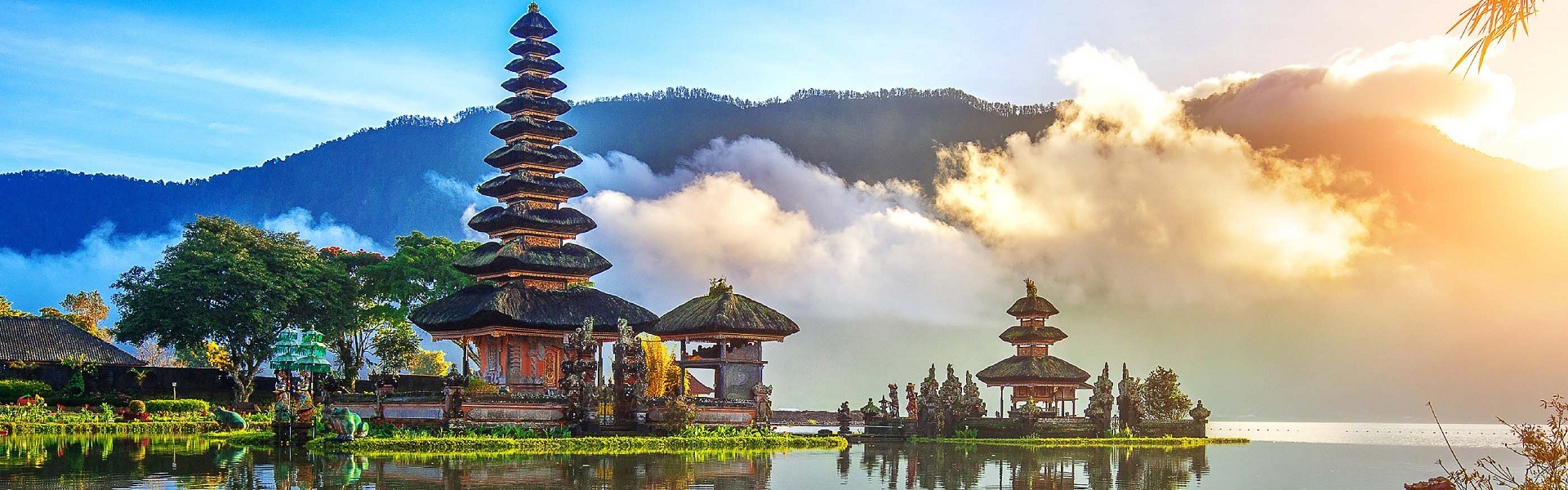
A line producer Bali team holds the budget, schedule, contracts and reporting for features, OTT episodic and brand campaigns on the island, while film fixers in Bali coordinate location access, community and temple sign-offs, local crew, equipment and daily logistics across Ubud, Uluwatu, Canggu and the eastern coast. For an Indian shoot, direct and one-stop services connect Delhi, Mumbai and Bengaluru with Denpasar, with connecting routes via Kuala Lumpur or Singapore running seven to nine hours in total. Goa and Kerala, the Indian tropical alternatives, are covered separately as film fixers in Goa and film fixers in Kerala.
Indonesian crew day rates outside Jakarta, Bali equipment rental through Denpasar-based vendors, accommodation in non-peak months and location fees at non-temple sites are benchmarked shoot by shoot against Indian premium-destination rates; the comparison is set out lower on this page. Bali’s equipment ecosystem is thinner than Mumbai’s, and high-end cinema cameras and specialist lighting often ship in from Jakarta or Singapore on ATA Carnet, which film fixers in Bali manage on the production’s behalf. The workflow logic of how this routes through our Line Producer India network sits across multiple territories; Bali is the southeast-Asian extension of that workflow.

Line Producer Bali and Film Fixers: Filming Permits and Location Approvals
Indonesian filming permission runs as a national filming process followed by location-specific permissions. The national approval comes first; provincial, regency, location-owner and Banjar (village) involvement then depends on the locations in the final list rather than applying as a fixed set of approvals to every shoot. Official guidance recommends beginning the national process at least 12 weeks before departure, and the Banjar layer is the one foreign productions most often underestimate.
The national filming approval and the Indonesian partner
The registered Indonesian production partner prepares and coordinates the national film/video shooting-permit file on the production’s behalf, and the relevant authority approves it; the procedure for foreign producers is set out in the Indonesian Embassy filming procedure. BPI may support industry facilitation, but it does not issue the government filming permit. The current application framework sits under Indonesia’s Ministry of Culture, with provincial, location-owner and Banjar permissions added according to the final location list. For the country-wide operational scope, our Film Fixers In Indonesia covers the multi-island permit workflow. A recent Jakarta studio brief that closed inside a compact schedule is set out at the Majapahit Jakarta production case study.
Banjar protocol, village-level filming permissions
The Banjar is the traditional village-council unit for the neighbourhood where a shoot lands. Where a location falls under a Banjar’s customary jurisdiction, its sign-off is coordinated before filming: village elders, the Kelian Adat (customary head) and, where a sacred site is involved, the local Pemangku (priest) are briefed and acknowledged. Community contributions are location-specific and agreed case by case, and film fixers in Bali coordinate this layer, since a direct outsider approach without local briefing commonly slows the process.

Sacred-site sign-offs, Pemangku, ceremony calendar
Temple filming requirements are location-specific. The registered Indonesian partner and local fixer confirm the relevant temple custodian, customary authority and government approvals for each site. Inner-courtyard access, ceremony dates and restricted areas are decided locally, so the production calendar is checked before dates are locked.
Bali’s filming geography, south, central, east, north
Bali is small, roughly 5,800 square kilometres, but the variation across that footprint is what makes it work as a multi-look shoot territory. Central highlands deliver rice terraces and jungle; the south runs to cliffs, beaches and surf; the east opens up to volcanic terrain and coastal villages; the north runs to dolphin-watching waters and the calmer coast.
Ubud, Tegallalang and the central highlands
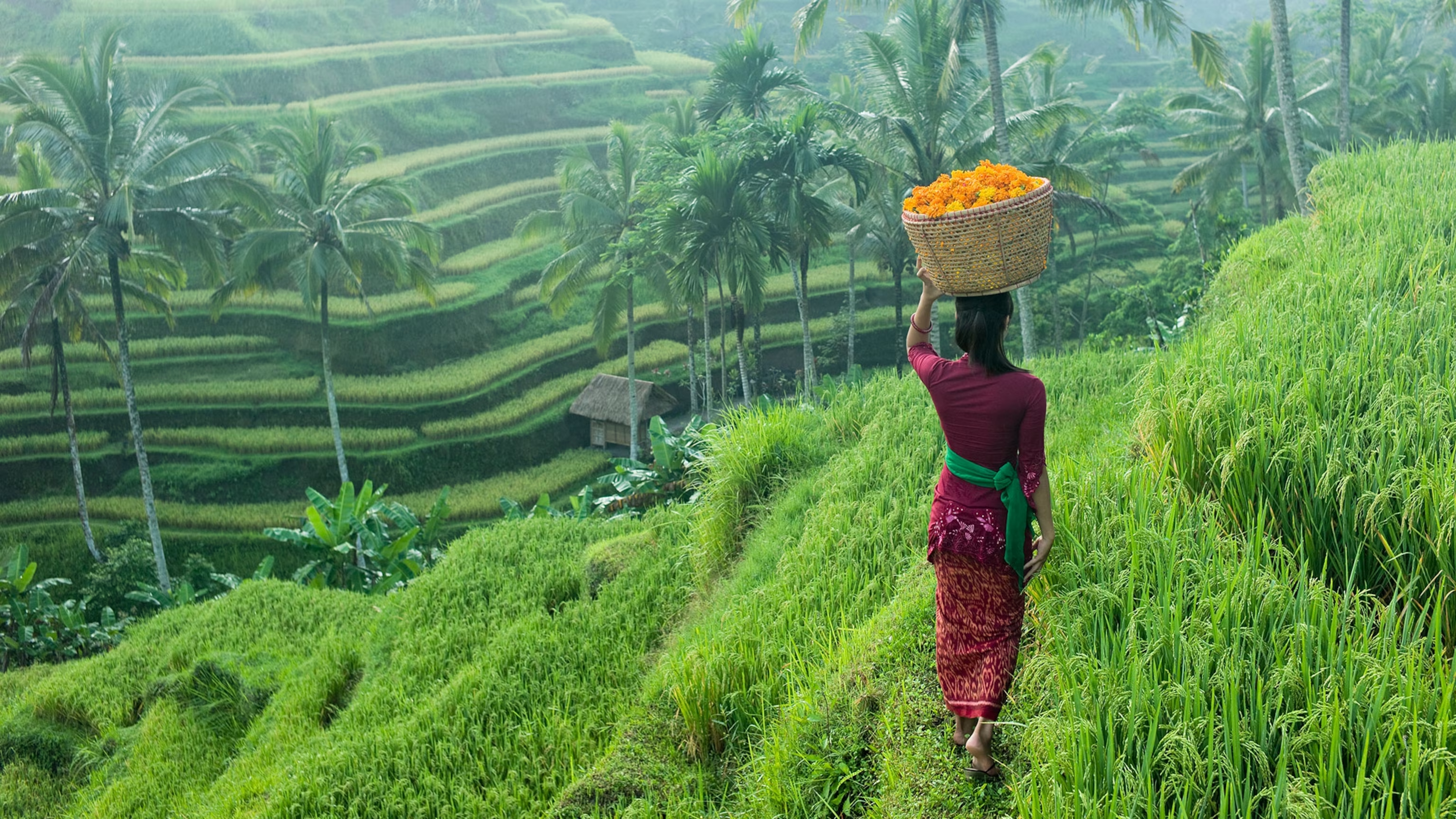
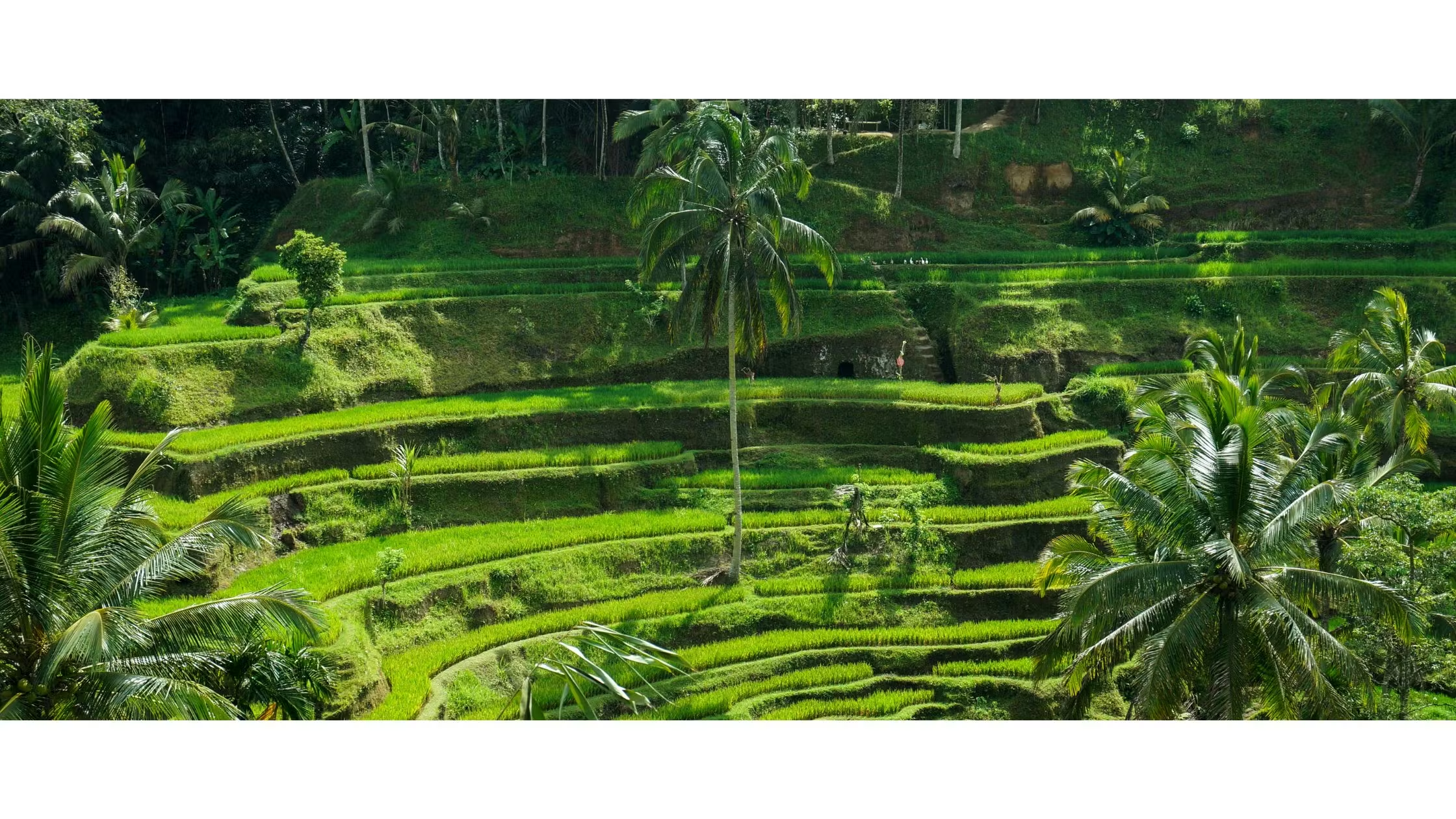
Ubud is the cultural heart of central Bali, the town made internationally famous by Elizabeth Gilbert’s memoir, and the gravity well around which most Bali-set narrative work orbits. The Tegallalang rice terraces, ten minutes north of Ubud town, carry the iconic subak cascade visual; Pasar Seni in Ubud town serves the market sequences; the Ayung River runs the white-water locations. Filming permission here is permit-light at exterior public spaces, permit-heavy at temple compounds and rice-terrace owner negotiations. Coconut-grove approach roads, lotus ponds and traditional compound houses (umah) sit within a thirty-minute drive of Ubud town.
Uluwatu, Bukit Peninsula and southern beaches
The Bukit Peninsula in southern Bali anchors the dramatic cliff geography that frames most luxury-resort and surf-set productions. Pura Luhur Uluwatu sits on a 70-metre cliff above the Indian Ocean; Padang Padang Beach below it is a well-established international filming location. The peninsula extends through Karma Kandara, Bingin Beach, Suluban and Nyang Nyang, each a separate Banjar with its own permission layer. North of Bukit, Canggu, Seminyak and Kuta hold the longer beach corridors used for sunset walks, beach-bar establishing shots and surf-set narrative work; Kuta is the most crowd-dense permit environment on the island and is typically shot pre-dawn.

Eastern and Northern Bali, Amed, Mount Agung, Lovina
Eastern Bali around Mount Agung, the 3,142-metre stratovolcano that dominates the island’s skyline, opens into dramatic volcanic terrain and the fishing-village coastline at Padang Bai, Candi Dasa and Amed. Amed itself is a quiet diving and free-diving base, used for underwater sequences and dawn-light surface work. The northern coast around Lovina is calmer-water territory, dolphin-encounter sequences, post-sunrise establishing shots, and the route up to the central Bedugul highlands and Pura Ulun Danu Beratan. Travel times: Ubud to Amed is 2.5 hours, Ubud to Lovina is 3 hours via the central road through Bedugul.

Productions that shaped Bali’s filming reputation
Bali’s reputation as a shoot territory was built across three distinct production tracks: a single Hollywood feature that anchored international awareness, a steady volume of Indian cinema and OTT work that established Indo-Indonesian creative routes, and a continuous flow of brand and music-video work that keeps the infrastructure thick year-round.
Ubud as the international-production anchor
Ubud anchors most Bali-set narrative work through a well-established location grammar: the town itself for character interiority, the Tegallalang rice terraces for the wide reveal, the Ayung River for cultural texture and Padang Padang Beach for the coastal beat. Columbia Pictures’ Eat, Pray, Love (2010) shot at each of these registers and set the template that later international productions have worked from. The Indian feature and streamer pipeline into Bali follows the same grammar: Ubud for cultural interior, coastal Bukit for romance and adventure, Tegallalang for the establishing wide.
Indian cinema and OTT episodics in Bali
Indian productions have used Bali consistently across feature songs, full sequences and OTT episodic anchor work. The Bollywood pattern is typically a five-to-ten-day song-and-dance picturisation lock paired with an establishing-shot bank, the kind of shoot that needs Tegallalang, an Uluwatu cliff sequence, a beach golden-hour walk and a temple exterior compressed into a single schedule. Indian OTT producers have increasingly used Bali for second-unit work, opening-credit sequences and B-unit pickups when the editorial brief calls for tropical iconography without the cost line of a longer Southeast Asia schedule. Our Indonesian collaboration depth, built across Falcon Pictures features including Buya Hamka and the Indonesian Drishyam remake, feeds into how Bali-side units assemble.
Brand campaigns and music videos
Bali runs a continuous baseline of brand campaigns, fashion editorials and music videos that keeps the equipment-vendor and crew ecosystem warm between feature cycles. The hospitality-industry briefs, Bulgari, COMO Shambhala, Aman, Four Seasons Sayan, anchor a recurring volume of luxury-set work. Indian and Asian fashion brands use Canggu, Seminyak and the southern cliffs for editorial; international music videos return to the rice terraces and waterfall sequences (Tegenungan, Tibumana, Sekumpul) on a steady annual cycle. This continuous baseline supports a vendor base sized for year-round volume rather than the occasional inbound feature.
How a Mumbai-based unit runs a Bali shoot
The operating model for an Indian production unit shooting in Bali matches the model used across our other inbound territories: Mumbai production team on creative, cast and budget; the Bali-side line producer and film fixer Bali team on permits, crew, equipment, transport and on-ground execution. The two-desk split is what keeps overhead disciplined, the Mumbai team flies in for principal photography only, and the Bali-side cost line stops compounding the moment the unit wraps.
Mumbai production team and Bali-side line producer
Film fixers in Bali, working as line producers on the ground, operate as the on-ground extension of a Mumbai-based producer. The Bali-side line producer coordinates the national filming-permit application through the registered Indonesian partner, Banjar and sacred-site coordination, crew assembly, equipment vendor coordination, transport, hospitality and the day-by-day call sheet. The Mumbai production team holds the creative read, the cast schedule, the DOP brief, the budget and the back-channel with the inbound brand or studio. For Indian feature work this pairs an Indian DOP and director with an Indonesian gaffer, grip, sound and art-direction team, a hybrid model international feature productions have used for many years.
Equipment via Denpasar Ngurah Rai and ATA Carnet
Indonesia is listed in the ICC ATA Carnet directory, and ATA Carnets are processed through Ngurah Rai International Airport for temporary equipment imports, which makes flying camera and lighting packages from Mumbai workable. The carnet is filed in India through FICCI, validated at outbound Mumbai or Delhi customs, and presented again at Denpasar on arrival. The Bali-side fixers pre-brief the local customs broker and hold the inventory list; airport handling, security screening and release timing are confirmed with the broker and customs rather than assumed. For high-end cinema packages (Alexa Mini LF, Sony Venice 2, Cooke S7/i lens sets), the equipment is often sourced from Jakarta or Singapore because the Bali rental base is thinner. Gear sourced in Jakarta moves domestically and needs no carnet; only equipment entering Indonesia from another customs territory, such as Singapore, needs its own import documentation. This sits inside the line producer’s planning window.
Crew visas: C14 and D14 filming visas
Entry for foreign cast and crew on a filming project runs on the C14 or D14 filming visa, applied for after the filming approval or notification stage through the Indonesian partner, as set out in the Indonesian Embassy filming procedure. Tourism visa-on-arrival covers personal visits, not paid film work.
The D14 permits an initial stay of up to 60 days and can be extended, per the official D14 guidance. Processing times depend on the visa route and the issuing mission and are confirmed with the sponsoring partner for each nationality and role before the schedule locks. The line production team holds the visa timeline against the master shoot calendar so a visa slip does not break the principal photography window.
Cost and connectivity, Bali compared to Goa and Kerala
The commercial case for Bali against the obvious Indian tropical alternatives, Goa and Kerala, rests on two factors: direct or near-direct flight access from major Indian cities, and a production-day cost line that is benchmarked against premium-Indian-destination peak-season pricing for medium-sized shoots. Producers benchmarking the broader Indonesia footprint (Jakarta–Bogor primary base plus Bali extension) should read the trimmed working-budget model documented in the Indonesia film production rates reference before locking a Bali-only versus Bali-plus-Jakarta scope.
Direct-flight reality from Delhi, Mumbai and Bangalore
Direct and one-stop services connect Delhi, Mumbai and Bengaluru with Denpasar, with Mumbai and Bengaluru commonly routing via Kuala Lumpur or Singapore. Routings, elapsed times and fares are checked for the shoot dates; international airfare sits above a Goa or Kerala domestic flight but inside the marginal-cost band for an inbound feature or OTT shoot.
Bali costs compared with Goa and Kerala
Production-day cost in Bali is benchmarked shoot by shoot against Goa peak-season rates and premium Kerala locations like Munnar, Vembanad backwaters and Kovalam during November-March. The line items where Bali is often lower: Indonesian crew day rates outside Jakarta (gaffer, grip, art-direction support, drivers), equipment rental from Denpasar-based vendors for non-specialist gear, and accommodation. Where Bali is often higher than Goa or Kerala: specialist cinema equipment that ships in from Jakarta or Singapore on carnet, principal-cast travel and accommodation for longer-than-fortnight shoots, and any production that needs a deep Hindi-language crew bench. The net comparison is shoot-specific; for a medium-sized feature song lock or a brand campaign in the five-to-ten-day band, Bali is often competitive on net cost and offers a wide visual range within a single territory.
When Bali is not the right choice: routing to Jakarta, Thailand or Malaysia instead
Bali is a well-suited tropical-island Southeast Asian base for a specific class of briefs: hero-location work, cultural-authenticity narratives, mid-budget features and streamer originals that need coastal, jungle, temple and rice-terrace registers. It is not the right base for every brief.
For heavy studio-anchored features requiring sound stages, permanent standing sets and full studio infrastructure, Jakarta is the more suitable Indonesian base, since the country’s studio and post-production capacity concentrates in Java rather than Bali. For large-scale action units with multi-vehicle stunt work, closed-road choreography and heavy grip packages, Thailand’s Bangkok-Krabi corridor typically offers deeper infrastructure at scale. For VFX-heavy briefs needing volume LED stages and post-production density, Kuala Lumpur or Singapore carry stage capacity that Bali does not host.
Multi-continent action features and large ensemble productions often route Bali as a location leg within a broader Southeast Asian schedule rather than as the primary base. The right question is not “should we shoot in Bali” but “which parts of the schedule fit Bali and which need to route elsewhere”, and the answer sometimes routes the studio-anchored days to Jakarta and the action-unit days to Thailand while keeping Bali for the hero location and cultural texture.
Engaging a line producer for a Bali shoot
Film production services in Bali: full-service versus line-producer-only engagement
For Bali, film production services in Bali typically means one of two procurement shapes. Full-service contracts run through a line production company in Bali, a Bali-registered service company that coordinates the national filming approval as the registered partner, Banjar liaison, sacred-site sign-offs, crew and vendor booking, ATA Carnet routing through Denpasar Ngurah Rai, and end-to-end shoot execution. Line-producer-only engagements are narrower: the international company retains more of the vendor management, casting and permit oversight in-house, and the line producer Bali holds budget and scheduling accountability under the engagement.
Foreign productions engaging a line producer Bali at script-breakdown, not one month before principal photography, land on the right side of the Banjar permit calendar and provincial coordination timeline. A fixer or line producer who has run recent international briefs holds the counterpart relationships that shorten coordination.
For a single-region brief locked to Ubud, Uluwatu or Canggu, line production in Bali is often most efficient through a single Bali line producer with local Banjar relationships. For multi-region Indonesian schedules that touch Jakarta or Yogyakarta alongside Bali, or feature briefs claiming full national permit clearance, the full-service film production services route absorbs coordination overhead and may reduce duplicated coordination versus running parallel individual engagements.
Cost structure: film production services in Bali are quoted as package rates combining line-producer day rate, coordinator and PA support, permit filing fees, Banjar and sacred-site coordination overhead, and a modest production-service margin. Bali Film Center and private production compounds can be booked through service companies; independent Bali line producers typically route Studios and larger-facility bookings through partner service companies rather than direct.
Bali filming locations: visual reference download
For productions running early-stage location scouting and pitch-deck preparation, our Thailand and Bali visual reference covers the location library, cultural setting and historical context across both territories: the Bali filming geography (Ubud, Uluwatu, Nusa Dua, Tabanan, Sanur, Canggu) alongside the parallel Thailand corridor. The reference document supports the operational guidance with photographic and contextual material for client briefings and director scout-pack preparation.
For productions evaluating tropical-coastal alternatives to Bali, comparing the Bali beach corridor against the Kerala backwater-and-coastal register on the Arabian Sea side, our Line Producer Kerala coverage handles the parallel Indian coastal case.
For an Indian shoot planning Bali work, whether feature, OTT episodic, branded content or music video, brief the Mumbai production team on the creative, location bands and shoot window, and let the Bali-side execution roll from there. Reach out via the contact form with shoot dates, location bands and the broad scope, and the team will come back with a structured execution brief. Projects evaluating tropical-island or Asian-heritage briefs between Bali and Thailand reference our Film Fixers In Thailand coverage for the parallel Bangkok-Krabi-Phuket case alongside the Bali framework.
