

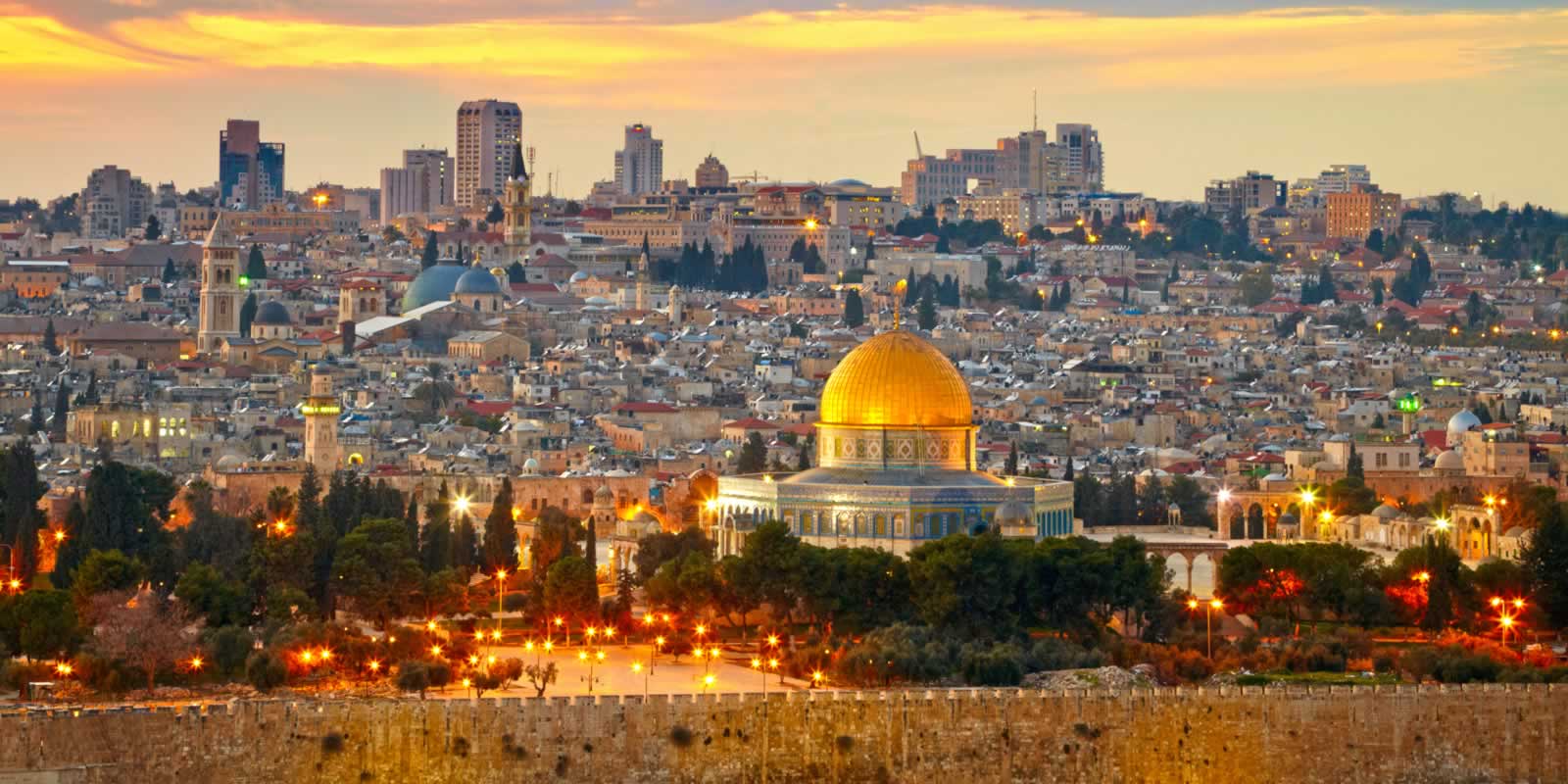
Our regional desk operates as a line production company for international shoots across the Middle East, using local line producers and production fixers to coordinate permits, crews, equipment and budgets in each territory. Film Fixers In Middle East and Line Producer Middle East teams run this as one operational corridor rather than seven separate country engagements. The catch is that each leg sits under a different national scheme, so our incentive-and-rebate consulting reconciles them into one banked plan. Between the Gulf rebate boom, Saudi Arabia now offering up to 60%, Abu Dhabi with 35% base cashback scaling to up to 50% via a points-based structure, Jordan’s revised 25–45% scalable rebate, and the long-standing North African studios in Ouarzazate, the region runs more international production weeks than at any point in the last decade.
Celluloid Pact operates across the Middle East and MENA corridor as a regional line-production and fixers practice, with Dubai as the operational hub and on-the-ground partners in each of the seven territories covered below. The work wraps into a single operational pair per shoot, script breakdown, permit filing, rebate intake, crew assembly and equipment routing handled by a regional production head paired with a country-level line producer in each territory the schedule touches.
Country incentive corridor snapshot
This piece covers what filming looks like across the corridor today, the regional infrastructure, country-by-country production stacks across the UAE, Jordan, Saudi Arabia, Egypt, Morocco, Tunisia, Turkey and Iran, the current permit and rebate frameworks, and how a line producer sizes a brief that touches two or three of these countries inside a single schedule. Tunisia’s framework runs without a national cash rebate, and the working detail sits in our Tunisia incentive handbook.
Full Turkey-side operational detail on the 30 percent cash rebate, permit chain via the Ministry of Culture single-window and Istanbul crew market sits in the Turkey rebate framework covered separately.
| Territory | Rebate | Administration | Operational base |
|---|---|---|---|
| UAE / Dubai / Abu Dhabi | Abu Dhabi 35% base scaling to 50% (Abu Dhabi Film Commission points-based) | Dubai Film and TV Commission (DFTC) + Abu Dhabi Film Commission (twofour54 as studio partner) | Dubai |
| Saudi Arabia | up to 60% under the Film Saudi Cash Rebate Incentive Programme, administered nationally by the Saudi Film Commission with Film AlUla facilitating applications for AlUla-shot productions | Saudi Film Commission + Film AlUla | Riyadh / AlUla |
| Jordan | 25–45% scalable rebate | Royal Film Commission Jordan (RFC) | Amman |
| Egypt | 30% EMPC facility rebate | Egyptian Film Commission (EFC) + EMPC | Cairo |
| Morocco | 30% uncapped | Centre Cinématographique Marocain (CCM) | Casablanca / Ouarzazate |
| Turkey | 30% points-based | Ministry of Culture & Tourism | Istanbul |
| Tunisia | VAT exemption + tourism subvention | Ministry of Cultural Affairs single window (filming authorisation); CNCI as national cinema institution | Tunis |

Middle East corridor at a glance — country incentive and specialism map
A shorthand map of the corridor by country, headline rebate ceiling and creative specialism. Rebate figures are current headline positions from official incentive body announcements as of 2026; the operational reality on any specific production depends on eligibility, qualifying spend, and country-specific administration.
Territory-level structuring, EFC single-window mechanics and rate stacking sit in the Egypt film incentives and rebates handbook.
| Country | Main strength | Rebate (headline) | Best for |
|---|---|---|---|
| UAE (Abu Dhabi) | Studio infrastructure, twofour54 stages, urban and desert range | 35% base, up to 50% via points | Commercials, features with studio anchor, Middle-East-set feature drama |
| UAE (Dubai) | DFTC permit efficiency, DIFC and Old Dubai stand-in, cargo hub | N/A (DFTC operational base) | Commercials, digital, high-turn advertising |
| Saudi Arabia | AlUla heritage desert, Red Sea coast, Riyadh urban, NEOM futurist | Up to 60% under Film Saudi | Features, streamer originals, ambitious desert and heritage briefs |
| Jordan | Petra, Wadi Rum, Amman urban and Middle-East stand-in | 25%-45% scalable via RFC | Sci-fi (Wadi Rum), feature drama, biblical and desert period |
| Egypt | Cairo studios, Pyramids, Luxor and Aswan antiquities, Red Sea | EMPC 30% + 20% off-site supplement (facility-anchored) | Studio drama, heritage-set feature and TV drama, streamer originals |
| Morocco | Ouarzazate studios, Atlas Mountains, Sahara, medina urban | 30% CCM cash rebate (uncapped) | Historical, biblical, MENA stand-in feature and TV drama |
| Tunisia | Roman heritage, Sahara dune, coastal, El Djem amphitheatre | VAT exemption + up to 80% tourism subvention (eligibility-based) | Period, Roman-heritage, Sahara desert briefs |
| Turkey | Istanbul urban, Cappadocia, Anatolian steppe, Mediterranean coast | Up to 30% cash rebate (points-based eligibility) | TV series (with new episode-support scheme), diverse-register drama |
| Iran | Persian architecture, Isfahan, Yazd, Kerman and Zagros landscape | Not applicable (sanctions-driven limits) | Editorial, documentary, Persian-language content under compliance frameworks |
How we line-produce across the Middle East
Celluloid Pact operates as a Line Producer Middle East across a single corridor — line production, film fixers services and full production servicing Middle East — Dubai operational base, regional crew bench, multi-country permit coordination and rebate-application logic structured at script-breakdown. International productions running Middle East work route through us when the brief requires multi-territory coordination (Dubai-Saudi-Jordan, Egypt-Morocco-Tunisia, Turkey-Iran) under a single line-production contract.
Permit framework coordination across Middle East territories
Every Middle East jurisdiction operates its own film-permit framework alongside the visa, ATA Carnet and crew-movement layer. Our line-production team handles the cross-territory permit coordination — Royal Film Commission Jordan for Levant access, Saudi Film Commission and Film AlUla for Saudi shoot weeks, ADFC and Dubai Film & TV Commission for Gulf coverage, EMPC for Egypt, CCM for Morocco, the Ministry of Cultural Affairs single window for Tunisia and the Turkish Ministry of Culture and Tourism framework for Anatolia. The cross-border permit stack is sequenced from each authority’s published periods and confirmed timing for the territory mix and the production schedule.
Rebate-application coordination across multiple incentive schemes
Productions running stacked-rebate routing through the Middle East — Saudi up to 60% Film AlUla plus Jordan 25–45% RFC plus Morocco 30% CCM — require the line-production layer to carry the multi-scheme application timing, qualifying-spend documentation and audit-coordination work across each scheme. The Saudi Film Commission requires script approval at the application stage. Jordan RFC structures the scalable rebate against in-country spend percentages. Egyptian EMPC applies the facility rebate model. Morocco CCM operates a transparent uncapped 30% framework. Our rebate-application work spans script-breakdown through final disbursement across each scheme the production engages.
Why the Middle East corridor works for international production
The corridor stretches from Casablanca and Marrakech in the west, through Tunis, Cairo, Riyadh and AlUla in the centre, up to Amman, Petra and Wadi Rum in the Levant, across to Istanbul and Cappadocia in the north, with Dubai and Abu Dhabi serving as the Gulf infrastructure base. Each territory carries a distinct visual register and a distinct ministry stack. What unites them is the willingness of the relevant film commissions to engage with foreign productions, and the operational discipline now needed to route a single shoot across multiple jurisdictions.

Regional production profile across four geographies — where Film Fixers In Middle East cluster
Four sub-regions sit inside the umbrella. The Gulf, UAE and Saudi Arabia, is the infrastructure-and-rebate band, where contemporary urban environments, NEOM-scale studio space and Riyadh’s growing soundstage capacity now compete directly with European facility hubs. The Levant, Jordan principally, and parts of Lebanon when conditions allow, carries the desert-and-heritage terrain profile that defined the Lawrence of Arabia generation and still draws Dune, The Martian, Star Wars and Aladdin work to Wadi Rum and Petra.
North Africa, Morocco, Tunisia, Egypt, is the studio-plus-Sahara-plus-coast band, where Atlas Studios, the EMPC complex outside Cairo and Tunisia’s Roman ruins anchor distinct production stacks. Anatolia, Turkey, carries the broadest single-country visual range, spanning European-Mediterranean coast, Byzantine and Ottoman urbanism, and Eastern Anatolian highlands inside one ministry framework.
Competitive set: Mediterranean and North African neighbours
The territories in this corridor compete against southern Italy, Greece, Cyprus, Croatia and southern Spain, the wider Mediterranean basin. Productions weighing Morocco against Greece for a coastal-medina look, Jordan against Cyprus for desert-meets-sea, Saudi Arabia against Italy or Spain for premium contemporary, Turkey against Greece for Hellenic or Byzantine, these are the calls a line producer actually fields. The rebate matrix below sits inside that decision-set, not against unrelated geographies.
Visa, ATA Carnet and crew movement framework
Crew visas vary by passport and territory. Saudi Arabia processes production e-visas through the Saudi Film Commission portal. Jordan offers visa-on-arrival or simplified entry for many nationalities. Turkey runs an e-visa system. Morocco is visa-free for many passports for stays under 90 days. Egypt offers visa-on-arrival. Tunisia is visa-free for most nationalities.
ATA Carnets for equipment moving through the corridor are typically originated through the production’s home-country chamber of commerce, US Council for International Business, London Chamber, Paris CCI, or through the Dubai Chamber of Commerce when the production operates a Gulf-anchored equipment base. A carnet does not clear the corridor on one stamp: every participating customs territory validates its own import and re-export on entry and exit, and the ICC ATA Carnet country directory controls which territories participate. The UAE, Saudi Arabia, Morocco, Tunisia and Türkiye are listed; Jordan and Egypt are not, and equipment enters those countries under their own temporary-import routes through a local clearance company. The carnet’s 12-month validity and each territory’s temporary-import window apply on every leg.
Gulf customs and North African customs interpret carnet declarations differently in practice, so re-export validation at each leg is treated as its own customs event rather than a formality. Cross-border equipment hand-off between territories is coordinated by the line producer in each country, not by a single intermediary.
Country-by-country production stacks
Each of the eight territories carries its own production stack. Some are mature, with established studios and rebate frameworks, Morocco, Jordan, Turkey, the UAE. One is accelerating fast and now leads the regional rebate league, Saudi Arabia. One has restricted-facility incentives that work for in-studio briefs but not field-heavy shoots, Egypt. One operates without a formal cash rebate but offers VAT relief and tourism-aligned support, Tunisia. And one sits outside the rebate league entirely, with a permit-driven framework and a heavy visa layer for foreign crew, Iran. The eight profiles that follow cover what a line producer actually deals with on each.

UAE, Dubai infrastructure base, Abu Dhabi rebate corridor
The line producer Middle East desks in the UAE split briefs between the two emirates on rebate math and location fit. The UAE operates as two production economies — film fixers in Middle East anchor most UAE briefs out of the Dubai infrastructure base — film fixers in UAE typically anchor on the Dubai infrastructure base and route Abu Dhabi work through federal-side clearances, while film fixers in Abu Dhabi handle the Emirates-owned locations, Yas Island, Saadiyat cultural district and the twofour54 media-zone side separately. Dubai is the infrastructure base: equipment houses, post houses, Dubai Studio City and the Dubai Film and TV Commission for permits. Most international shoots use the film fixers in Dubai for gear, crew rotation and operational headquarters even when the actual shoot days happen elsewhere in the corridor. Abu Dhabi is the rebate corridor: the Abu Dhabi Film Commission runs a 35% base cashback that scales up to 50% through a points system covering Emirati hire, days in-country and cultural content. The twofour54 backlot in Abu Dhabi handles major builds.
Recent UAE production weeks have included Mission: Impossible, Dead Reckoning, Dune Part Two, and a steady stream of streamer feature work using Abu Dhabi exterior sets and twofour54 stages. International productions engage production companies in the UAE for DFTC and Abu Dhabi Film Commission permits, the twofour54 and Yas Island studio infrastructure, and the cross-emirate scheduling that links Dubai’s contemporary urban register to Abu Dhabi’s desert work.

Jordan, RFC, Petra, Wadi Rum and a scalable 25–45% rebate
Jordan is where a line producer Middle East engagement typically runs the tightest permit chain — the Royal Film Commission is the primary contact for any foreign production filming in the country. Film fixers in Middle East treat RFC clearance as the first checkpoint on any Jordan schedule. The cash rebate runs on a scalable band, 25% baseline, rising to 45% for productions above $10 million in qualifying spend that incorporate Jordanian cultural elements through a points-based assessment. Wadi Rum carries the Mars / desert-planet register that has anchored Dune, The Martian, Star Wars: The Rise of Skywalker and decades of earlier work. Petra has carried Indiana Jones and the Last Crusade, Aladdin and a long list of historical features.
Our line producer Jordan handles RFC liaison, ASEZA permitting for the Aqaba shoot zone, multi-passport crew Ministry of Interior fast-tracking, and the operational hand-off between Amman urban work and the Wadi Rum desert logistics. Petra has its own access protocol coordinated through the Department of Antiquities and the Petra Development and Tourism Region Authority. Film fixers in Jordan manage the community-access work at the Bedouin-coordinated Wadi Rum shoot zones and the heritage-sensitive movement protocols across the Petra approach. International productions engage production companies in Jordan for RFC permit coordination, Wadi Rum tribal community location agreements, Petra archaeology authority clearance, and the rebate stacking that combines the RFC cash rebate with the tourism subvention layer.

Saudi Arabia, Film AlUla, Riyadh, the 60% rebate and the Red Sea Fund
Saudi Arabia is the highest-headline-rate line producer Middle East market. For film fixers in Middle East working Saudi briefs, the rebate ceiling is now the widest in the corridor. The Kingdom announced the increase of its production rebate from 40% to 60% at the 2026 Cannes Film Festival, among the highest headline rates in MENA and internationally. The Saudi Film Commission administers the cash rebate programme alongside a coordinated permit framework. Film AlUla covers the northwestern corridor, the AlUla heritage region, the Hegra UNESCO World Heritage rock-cut tombs, the Maraya mirrored auditorium that doubles as a backlot, and the wider AlUla county shoot envelope. Our Line Producer Saudi Arabia team handles Film Saudi permits, AlUla scheduling and NEOM special-zone coordination. Persian-corridor production work sits with our line producer Iran desk.
Riyadh has become the contemporary-urban centre for Saudi shoots, with growing soundstage capacity, the MBS Group partnership announced through 2024–25, and the Saudi Film Commission permit framework covering nationwide work outside the AlUla zone. The Red Sea Fund, separately administered, layers additional cultural and development financing on select projects. Film fixers in Saudi Arabia operate through the Saudi Film Commission accredited roster and the Film AlUla regional fixers network, two separate operational stacks depending on whether the shoot anchors in the northwestern corridor or in Riyadh and the wider mainland.
Recent Saudi productions and engagement pattern
Recent Saudi production weeks have included Kandahar (2023, starring Gerard Butler), Cherry, Norah, multiple Netflix Saudi originals, and a rising stream of international service work feeding through Film AlUla. The 60% headline is reshaping which scripts route through Saudi Arabia versus Morocco or Jordan for premium contemporary and desert-period briefs, the producer call has shifted materially in the past twelve months.
Production companies in Saudi Arabia, rebate-application infrastructure
International productions engage production companies in Saudi Arabia for Film AlUla, NEOM and Saudi Film Commission permits, the rebate-application infrastructure, and the cross-emirate routing into UAE and Jordan when a regional brief stacks multiple territories on one schedule.


Egypt, Cairo Film Commission and the EMPC 30% facility rebate
Egypt is where film fixers in Middle East get the deepest bilingual Arabic-English crew depth. A line producer Middle East engagement centred on Cairo will typically anchor the whole regional schedule here. The Egyptian Film Commission works alongside Egyptian Media Production City (EMPC) to facilitate international productions, with the EMPC complex providing the studio infrastructure associated with the facility-based incentive, the two-million-square-metre studio campus 10 km from the Giza pyramid plateau. The 30% cashback rebate is available specifically for productions shooting within EMPC premises and using its facilities. This is a key operational nuance: the Egyptian incentive rewards in-studio drama and series production using EMPC’s standing sets and infrastructure. A field-heavy location shoot routing through Cairo without anchoring on EMPC does not unlock the 30%. Our Line Producer Egypt team runs the EFC application, monument permits and Mumbai-Cairo corridor logistics from the ground up.
The EFC operates as a one-stop shop for all approvals and shooting permits across Egypt, including pyramid plateau access, Red Sea coastal permits and Cairo old-city work. Antiquities Ministry coordination is required for any shoot near the major heritage sites, Pyramids, the Citadel, Khan el-Khalili, Karnak and Luxor, with lead times that scale with the level of disruption requested. The rebate is uncapped at project level, there is no ceiling on the rebate value itself, only on aggregate annual fund availability. The EMPC scheme applies to eligible expenditure inside the EMPC facility; specific qualifying-spend thresholds and disbursement windows are set by the scheme administrator on a per-application basis. Disbursement is typically paid after post-production audit within 180 days of audited approval.

Morocco, CCM 30% uncapped and the Ouarzazate studio base
Morocco extends the line producer Middle East corridor into the Maghreb. Film fixers in Middle East route productions through Ouarzazate for period features, Casablanca for contemporary drama, and Marrakech for lifestyle briefs. The location spread is the widest in the region. Ouarzazate hosts Atlas Studios and Oasis Studios, the long-standing back-lot anchor for Gladiator, Game of Thrones, Lawrence of Arabia, Black Adam and House of David. Marrakech carries the medina, palmery and Atlas foothill register. Casablanca handles contemporary urban. Essaouira covers coastal and walled-port settings. The Sahara at Erg Chebbi delivers dune work. Our Morocco film fixers team handles CCM filing, regional permit coordination across the Ouarzazate film office and city-level councils, and crew-and-equipment routing between studio days and remote desert legs.
Morocco is the Berlinale European Film Market’s “Country in Focus” for the 2026 edition, a structural profile lift that has accelerated co-production deal flow into the country across the first half of the year. Film Fixers In Morocco coordinate the Atlas Studios call-sheets, the regional Berber-village permits across Ouarzazate province, and the Marrakech medina-access protocols that often sit outside the formal CCM permit track.

Tunisia, Ministry of Cultural Affairs authorisation, VAT exemption and the tourism subvention path
Tunisia sits inside our film fixers in Middle East Maghreb coverage. A line producer Middle East schedule that includes Tunis will typically pair it with Morocco or Malta for a North African brief. Tunisia does not currently operate a standard cash rebate for international productions, an important framing distinction from its North African neighbours. Filming authorisation runs through the Ministry of Cultural Affairs single-window procedure, which lists 7 to 15 days for a complete application, with heritage, aerial, municipal and security approvals handled separately. VAT treatment on local spend is conditional and confirmed case by case, and any project-specific tourism support is exceptional and should not enter the finance plan without written approval.
The location set remains strong despite the lighter incentive layer. The southern Sahara around Tozeur and Matmata holds the Star Wars Tatooine sites still standing from the original trilogy. Roman ruins at Dougga and the El Djem amphitheatre carry the antiquity register. The Mediterranean coast at Hammamet, Sousse, Djerba and Sidi Bou Said supplies coastal-medina work. Tunis and Kairouan handle medina-district urban shooting. The English Patient remains the canonical Tunisia production cited in industry briefs, with steady European period work routing through the Ministry of Cultural Affairs authorisation in the years since; the CNCI is the national cinema institution rather than the permit authority.
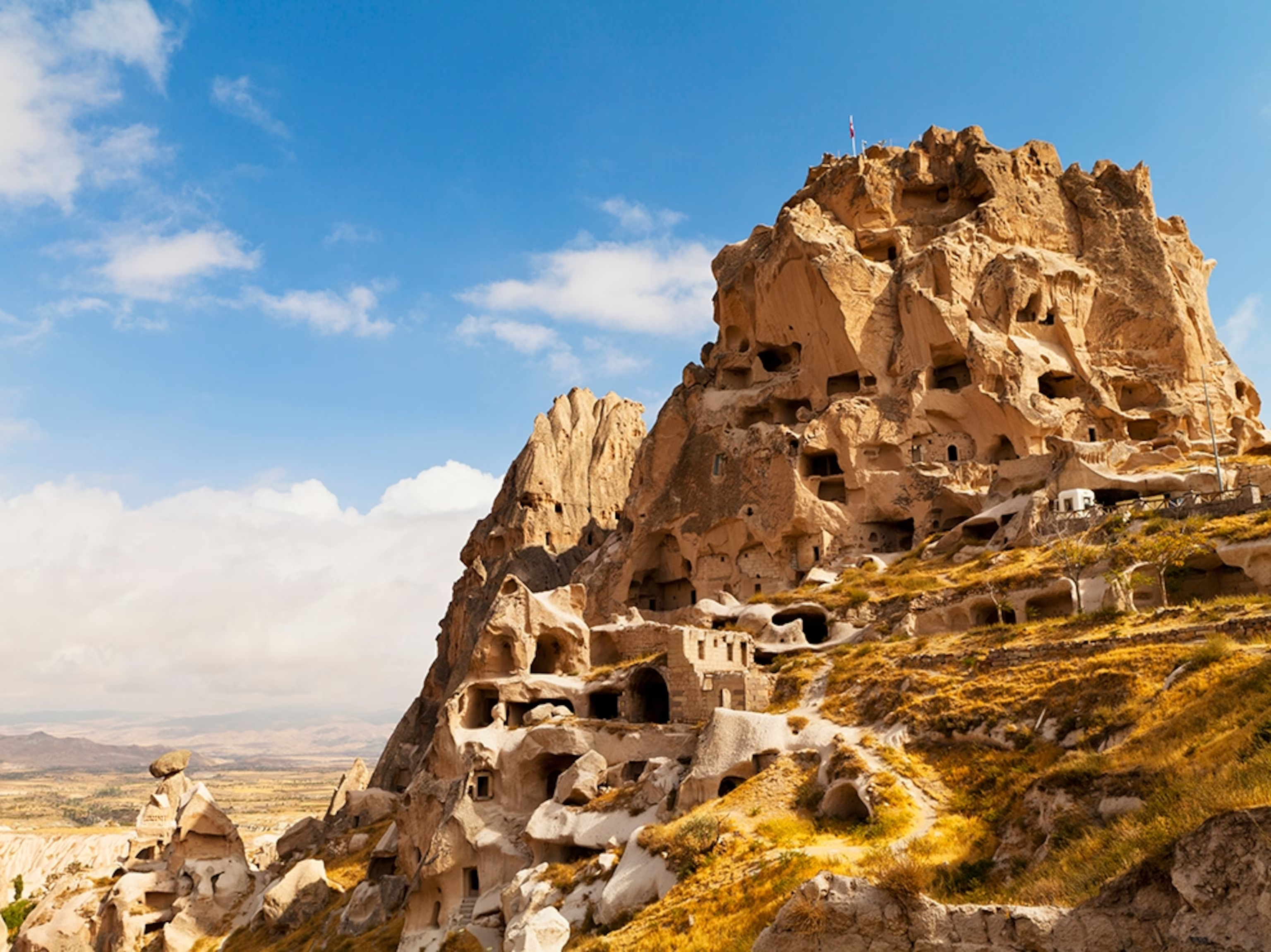
Turkey, Ministry of Culture and Tourism up to 30% cash rebate with points-based eligibility criteria, plus a new TV series episode-support scheme announced 2026
Turkey operates on the far edge of the line producer Middle East corridor. Film fixers in Middle East pull Istanbul into MENA schedules when the brief needs a European-facing production hub with regional access. The applicant must be a Turkish co-producer or production-service company with a signed agreement with the foreign producer. Eligibility runs through a points-based qualification test scoring cultural content, Turkish-citizen involvement and use of local infrastructure, a minimum of 50 out of 100 points is required. Foreign productions also receive a VAT refund on goods and services procured during the shoot.
The visual range Turkey offers is the broadest single-country span in the corridor. Istanbul, Bosphorus, Sultanahmet, Galata, Pera, covers Byzantine, Ottoman and contemporary urban. Cappadocia delivers the fairy-chimney balloon-hour register. Antalya holds the Mediterranean coastal register. Mount Nemrut and the Eastern Anatolian highlands sit at the antiquity-meets-altitude end. The national foreign-production permit runs through the Directorate General of Cinema, while municipal, heritage, aviation and site approvals remain separate. Film fixers in Turkey coordinate those local tracks across Istanbul, Cappadocia and Antalya, while the eligible Turkish production entity holds the national filing. The same team manages the Bosphorus boat-traffic windows for water-side work and the Cappadocia balloon-hour scheduling that drives early-call logistics.

Iran, Ministry of Culture permits, Press Visa, and ATA Carnet routing subject to OFAC sanctions compliance and country-specific carnet endorsement
Iran sits inside our film fixers in Middle East Persian-corridor coverage. A line producer Middle East engagement on Iran runs sanctions-checked routing with permit lead times measured in weeks, not days. There is no formal cash rebate framework for foreign productions. The permit chain runs through the Ministry of Culture and Islamic Guidance (Ershad), the Cinema Organisation of Iran and the Farabi Cinema Foundation, which frequently acts as the institutional counterpart on international co-productions. Filming permits are issued against a submitted script and a production plan; the review process is structured rather than fully transparent, and a foreign producer should plan for 8 to 12 weeks of pre-production lead time before the first shoot day. Iran production sits between the foreign producer and the Ershad clearance, with the Iranian fixers assignment handling crew, location and equipment logistics once permits clear — routed through Iran-side specialised partners rather than the MENA-wide network covered here.
International productions engage production companies in Iran for Ministry of Culture and Islamic Guidance (Ershad) permit handling, Cinema Organisation of Iran and Farabi Cinema Foundation coordination, OFAC-compliant equipment routing, Press Visa processing, and the Tehran, Isfahan and Yazd location workflow.
Press Visa and crew entry framework for Iran
The visa layer is the operational binder for any Iran shoot. Crew enter on the Press Visa (or Cinema Visa) issued through the Iranian Ministry of Foreign Affairs. Processing times vary sharply by passport. EU, Japanese and most Asian crew see 2 to 4 week windows. US and UK passport holders face 3 to 4 month timelines and need an authorisation code issued from Tehran before the embassy application can proceed. UK and US nationals may also be required to travel with a state-approved guide depending on permit conditions and project type, with the guide cost carried on the production budget when this applies.
OFAC sanctions and ATA Carnet routing constraints
Sanctions shape the equipment routing. Any rental, shipping, carnet or payment decision for an Iran shoot is subject to sanctions, export-control and legal review by the production’s counsel and compliance advisers before it is made; US-origin equipment, US-person involvement and the applicable OFAC and other national sanctions regimes determine what can lawfully be routed, and this page does not offer a routing around those rules. ATA Carnet is operative in Iran but Customs interpretation is conservative, so re-export validation at the border carries more weight than the headline document implies. Foreign currency moves only as cash inside the country given the absence of international card and banking links, so cash-flow planning sits inside the line producer brief from day one.
Recent international productions filmed in Iran include Cutting Through Rocks (2024, Iran, Germany, Chile, Netherlands, US and Canada co-production, Sundance documentary premiere), Put Your Soul on Your Hand and Walk (2025, France, Palestine and Iran, Cannes premiere) and No Bears (2022, Jafar Panahi, Special Jury Prize at Venice). The location set runs from Tehran’s contemporary urbanism, through Isfahan’s Safavid heritage architecture and the Yazd adobe old city, to the Persepolis ruins outside Shiraz and the Qeshm and Hormuz Island coastal terrain in the south. The Caspian belt around Rasht and Gilan supplies green-mountain registers that read closer to East Asia than to the rest of MENA.
Authority references for the rebate and permit frameworks discussed above: Saudi Film Commission (national framework and Film AlUla heritage scheme), Royal Film Commission Jordan (RFC scalable rebate administration), Egyptian Film Commission (EFC) and the EMPC facility-rebate framework, Centre Cinématographique Marocain (CCM Morocco 30% scheme), Tunisia’s Ministry of Cultural Affairs filming-authorisation single window (with the Centre National du Cinéma et de l’Image as the national cinema institution), and the Türkiye Ministry of Culture and Tourism (Turkey up to 30% (subject to eligibility) incentive). Productions should confirm current scheme terms with the relevant authority during script-breakdown — incentive frameworks shift annually and the line-production team factors current-window timing into the application logic.
Commercial production support and line producers across the GCC and wider Middle East
Film fixers in Middle East working GCC briefs coordinate across the six-country bloc as one regional labour market. The Gulf Cooperation Council — the operational region that anchors most Middle East production work — is where international briefs typically run their week-by-week logistics. A film fixer company GCC-wide handles the intra-GCC border, customs and permit interfaces that a single-country fixer cannot — this is where film production services in Middle East converge into one operational team; the same team functions as a film facilitation company MENA-wide when the brief crosses into Egypt, Morocco, Tunisia or the Levant. When producers ask about hiring line producers in the Middle East, the practical question is usually whether they need one line producer covering the full GCC schedule or several country-specific engagements sequenced across UAE, Saudi Arabia, Bahrain, Kuwait, Qatar and Oman, with Jordan, Egypt and Morocco as adjacent MENA extensions. The right answer depends on the shape of the schedule, the density of country-specific complexity, and how experienced the international production company is with the region.
Line producers vs line production companies in the Middle East
Producers unfamiliar with the region often use line producer and line production company interchangeably. Across the Middle East, the distinction matters operationally. A line producer is typically an individual — an experienced production manager who accepts fiduciary and scheduling accountability for a defined engagement. A line production company is the corporate entity that employs a team of line producers, production managers, coordinators and fixers, and that manages multiple concurrent international productions. Line production companies in the Middle East usually maintain permanent operations out of Dubai and Riyadh, with satellite offices or established production fixers on retainer in Amman, Cairo and Casablanca. Individual line producers either work as employees of those companies or as retained specialists engaged directly by the international production company.
For a single-country brief — an OTT drama shooting exclusively in AlUla, a commercial locked to Dubai — engaging a single line producer with existing Film AlUla, Saudi Film Commission, or Dubai Film and TV Commission relationships is often more efficient than routing through a larger line production company overhead. For multi-country briefs spanning UAE, Jordan and Egypt, or Saudi Arabia and Morocco, a line production company with in-house infrastructure across those markets typically absorbs the coordination overhead better than three or four independent line producer engagements running in parallel.
Film permits in the Middle East — regional framework and country-specific timelines
Film permits in the Middle East operate as country-specific frameworks rather than a coordinated regional system. There is no GCC-wide film permit or shared clearance authority. Each country runs its own permit body — Dubai Film and TV Commission (DFTC) in Dubai, Abu Dhabi Film Commission in Abu Dhabi (with twofour54 as the studio facility partner), Saudi Film Commission and Film AlUla in Saudi Arabia, with GCAM handling script approvals and GACA handling drone permits, Royal Film Commission in Jordan, Egyptian Film Commission and EMPC in Egypt, CCM in Morocco, the Ministry of Cultural Affairs single window in Tunisia, and the Ministry of Culture in both Turkey and Iran. Line producers who operate across the region maintain parallel institutional relationships with each authority; production companies without those relationships route through fixers who do.
Permit lead times vary significantly by territory and by location type, and most authorities in the corridor do not publish a general period. Dubai and Abu Dhabi Film Commission processing, Saudi Film Commission and Film AlUla windows with GCAM script approval in parallel, Egypt Film Commission windows with the additional antiquities layers for pyramid-zone and Luxor shoots, and Morocco CCM authorisation with its medina and heritage-site extensions are all confirmed with the relevant authority for the project. Jordan is the exception with published periods: the Royal Film Commission lists three working days for its facilitation letter for public streets and squares, five working days for Petra applications with a complete file and 14 working days for Public Security Directorate requirements, with Wadi Rum and airport locations following separate site and operator conditions. Iran Ministry of Culture Press Visa permits sit on their own 4-6 week window regardless of location.
Production fixers and how they layer into line producer engagements
Beyond the line producer, most Middle East productions engage production fixers — local specialists who handle on-ground coordination for specific territories, sites or communities. Production fixers are complementary to line producers, not a substitute. A line producer holds fiduciary and schedule accountability across the full production. Production fixers deliver specific on-ground execution — location access, community liaison, cultural protocol coordination, government interface — within their territory of specialism. Both roles get invoked in the same production; conflating them or trying to run one without the other is where multi-country briefs typically go sideways.
The typical GCC engagement pattern is a single line producer contracting production fixers per territory or per site. A UAE + Saudi Arabia + Jordan production might engage one line producer based in Dubai who manages master schedule and budget, Saudi production fixers for AlUla and Saudi Film Commission interface, and Jordanian production fixers for Petra and Wadi Rum coordination. International productions unfamiliar with the region sometimes try to engage production fixers directly without a line producer above them — this leaves scheduling gaps and accountability voids that consistently manifest as budget overruns on the second-country leg and permit slippage on the third.
Where line producers plural are engaged — meaning separate line producer contracts across multiple GCC territories rather than a single regional line producer — the structure is justified when country-specific complexity in each territory is high enough that in-country expertise significantly outweighs coordination overhead, when the schedule permits sequential rather than overlapping work in each country, and when the international production company has its own regional producer sitting above the country-level line producers to coordinate cross-border movement of crew, equipment and finances.
When the Middle East works for international productions
By creative brief — visual register and stand-in routing
Line production services in Middle East win specific creative briefs against alternative routing. Film fixers in Middle East get called in early on desert epics, contemporary Gulf drama, and cross-border rebate stacking. Saharan and Maghreb desert briefs route Morocco (Ouarzazate base) or Tunisia. Persian-heritage briefs route Iran direct when sanctions permit or Jordan/Rajasthan as the stand-in alternative. Mediterranean-Roman heritage routes Tunisia (Carthage, Dougga) or Plovdiv Bulgaria. Modern Gulf urban (skyscraper, contemporary city) routes Dubai or Abu Dhabi. AlUla Nabataean heritage is unique to Saudi Arabia. Petra and Wadi Rum are unique to Jordan. The line-production decision factors which Middle East territory the brief actually requires versus which territory delivers the best cost-band positioning for that visual register.
By cost-band positioning and rebate stacking
The Middle East rebate ordering — measured by scheme aggression — runs: Saudi up to 60% under the Film Saudi programme (among the highest headline rebate ceilings globally, with Film AlUla facilitating within-AlUla applications), Jordan 25–45% scalable, Morocco 30% uncapped, Egypt 30% EMPC, Turkey up to 30% (subject to eligibility), UAE Abu Dhabi 35% base scaling to 50% via Abu Dhabi Film Commission. Productions running multi-territory schedules can stack rebate positions across jurisdictions — Saudi heritage scenes plus Jordan desert plus Morocco studio work captures multiple rebate windows inside a single production. Our line-production work models the rebate-stacking math at script-breakdown so productions can see the effective combined rebate position before budgeting commitments.
Engaging a line producer across the Middle East
The line producer Middle East corridor works best when the engagement starts before the location scout, not after. A film fixer in Middle East and line producer in Middle East engagement on a multi-country brief lives or dies on the briefing call between the regional line producer and film fixers pairing. The variables that matter, how many territories, in what sequence, what is on each shoot list, which rebates the producer wants to capture, what equipment travels under carnet, all get decided in the first week of pre-production. Mistakes at this stage cascade into permit lead-time slips, ministry-approval rejections, and rebate ineligibility months later when audited spend falls outside qualifying definitions.
Film production companies in the Middle East
Film production companies in the Middle East sit at the intersection of the foreign-production funnel and the country-specific legal and commercial infrastructure.
UAE production companies operate primarily out of Dubai and Abu Dhabi, with the deepest cluster around twofour54 (Abu Dhabi), Dubai Studio City and the Yas Island studio infrastructure. Saudi production companies have consolidated around Film AlUla, the Saudi Film Commission portal and the NEOM studio framework, with the kingdom’s 60% rebate driving rapid growth in the local production-company bench since 2022. Jordan production companies route through the Royal Film Commission accreditation pipeline, with the Amman crew base servicing the Petra and Wadi Rum location stack. Morocco production companies, operating since the 1960s, hold the deepest cross-decade international-feature track record on the continent, with Atlas Studios and the Casablanca-Ouarzazate corridor anchoring the operational layer. Turkey production companies route through Ministry of Culture and Tourism accreditation, with Istanbul and Antalya carrying the densest production-company benches.
Local legal entity requirements and the production-company funnel
How international producers structure the engagement with regional production companies
Foreign producers engage local production companies in the Middle East for three structural reasons. First, the local legal entity requirement: each country in the corridor requires a domestically registered legal entity to file the cash rebate application, hold the local tax and VAT compliance, sign vendor contracts inside the country, and absorb the audit obligations the rebate framework imposes on the in-country party. Second, the local banking and cash-flow infrastructure: production budgets at international-feature scale require banking depth and vendor-payment infrastructure that only the established local production companies hold. Third, the institutional relationships: the country-specific film commissions (RFC, CCM, Saudi Film Commission, DFTC, ADFC, EMPC, Tunisia’s Ministry of Cultural Affairs, Ministry of Culture and Tourism Turkey, Ershad Iran) operate through accredited production companies rather than direct foreign-producer interfaces.
The relationship between production company, line producer and film fixers forms the operational triangle. The production company holds the legal entity that the rebate, tax, vendor contracts and audit obligations attach to. The line producer holds budget control and day-to-day execution, often as an employee or contracted partner of the production company on multi-country schedules. The film fixers hold location access and permit choreography in each country. On a single-country shoot one entity can carry all three roles. On a multi-country brief covering UAE, Saudi Arabia, Jordan or beyond, the production-company structure typically routes through a Gulf-based parent with country-specific production-company partners covering each territory the schedule lands in. Foreign productions select production companies in the Middle East based on multi-country execution experience, rebate-filing track record across multiple countries, and the depth of crew bench the production company holds direct access to.
For international productions weighing full-service versus line-producer-only or fixer procurement across the region, our film production services procurement coverage sets out the engagement models and their cost structures.
