

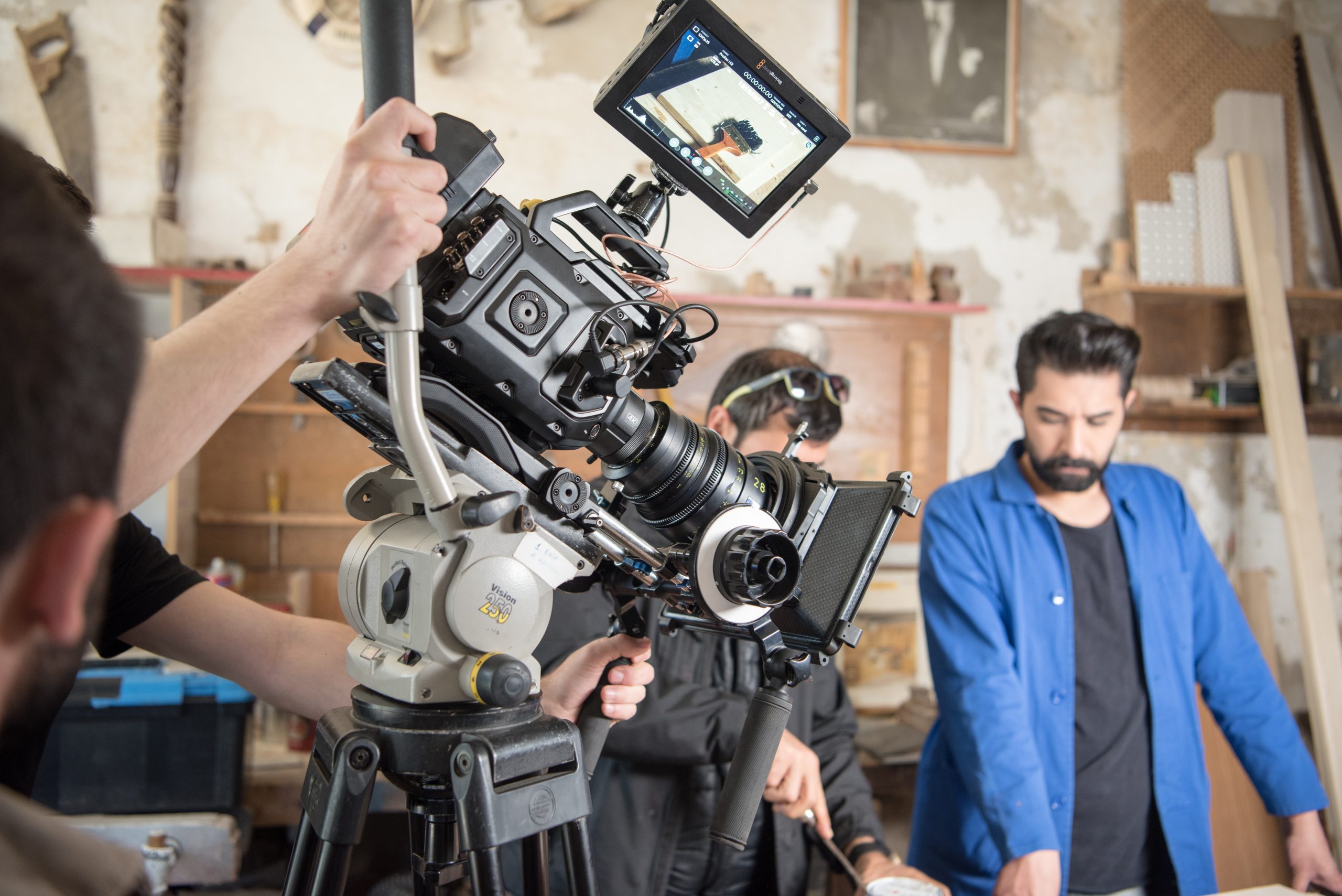
Turkey’s film incentive returns up to 30 percent of accepted local spend to foreign productions, administered by the Ministry of Culture and Tourism under Law 5224. The headline rate is a ceiling, not an automatic figure: approval turns on a qualification test scored out of 100, with a minimum of 50 points and a commission assessment, alongside a current minimum-spend threshold. That structure has made the Turkey Film Incentive a working choice for international productions targeting Istanbul, Cappadocia, Antalya and the Aegean coast.
This guide sets out how the up-to-30 percent support is scored and applied, who is eligible to apply, the current spend thresholds, the eligible-spend and audit mechanics, indicative Istanbul crew rates, the separate filming-permit and drone-permission routes, and how Turkey compares with Morocco and Jordan. It sits alongside our Line Producer Turkey page, which covers line producer, film fixer and crew-hire engagement in Turkey alongside the city-by-city operational detail.
Turkey Film Incentive: How the Up-to-30% Support Works
The Turkey Film Incentive is anchored in Law 5224 on the Evaluation, Classification and Support of Cinema Films. The Ministry of Culture and Tourism administers it through its Directorate General of Cinema, which runs the assessment and the coordination with foreign productions. The scheme has operated since 2020 with periodic revisions, and the headline figure has held at up to 30 percent of accepted local spend, awarded on assessment rather than paid automatically.

The up-to-30 percent is a ceiling, not a flat rebate
The support returns a percentage of qualifying local spend after audit, capped at 30 percent, but the exact figure is not automatic. A production is assessed against a qualification test scored out of 100, and a file must clear a minimum of 50 points to be eligible; the commission’s assessment then sets where within the up-to-30 percent band a given production lands. Spend threshold and qualification test are separate conditions; a production has to meet both, which is why film incentives in Turkey are best modelled as an assessed award rather than a guaranteed line in the budget. Since that award is scored out of 100 rather than granted automatically, the likely banked percentage is worth pressure-testing through our film incentive rebate consulting before the file goes in.
Qualification Test, Applicant Rules and Current Thresholds
Two things decide whether a production can access the Turkey film incentive at all: who files the application, and whether the project clears the current minimum-spend threshold on top of the qualification test. Both are worth confirming at the briefing stage, because the thresholds are revised periodically and the applicant rules are stricter than producers often assume.

Who is eligible to apply
The support application is not filed by the foreign production directly. It must be made by an eligible Turkish co-producer or production-service company that holds the required recent production history. The foreign production works through that Turkish partner, which carries the qualification file, the spend documentation and the audit relationship with the Directorate General of Cinema. Choosing a partner with a clean recent track record is therefore part of qualifying, not just a convenience: a company without the required production history cannot carry the application whatever the project’s merits.
Current minimum-spend thresholds
As of August 2026, the minimum qualifying spend inside Turkey is set by production type: feature films require TL 40 million, documentaries TL 8 million, and television series TL 13 million per episode. The threshold is measured on audited qualifying spend, not on the total production budget. These figures are revised by the Ministry from time to time, so they should be reconfirmed against the current Ministry guidance at budgeting stage rather than treated as fixed. Below-threshold productions can still shoot in Turkey through the standard permit route but cannot access the incentive.
Eligible Spend, Audit and Payment
Qualifying spend can include, subject to current programme documents and the support agreement, Turkish-crew salaries, Turkish-supplier services, local equipment rental, accommodation, transport within Turkey and post-production work executed inside Turkey. Non-qualifying items include international travel, fees paid to foreign crew who are not on Turkish social-security registration, and spend routed through offshore entities that does not touch a Turkish tax residency. The Ministry publishes the qualifying-category list, with minor scope adjustments over time, and because that list is revised periodically the current version should be confirmed with the Turkish partner before the budget categories are locked.
Application timeline and disbursement
The application is filed through the Turkish partner before principal photography begins. On Celluloid Pact planning estimates, approval typically takes eight to twelve weeks for a complete file with full partner documentation, and disbursement follows audit close, usually four to six months after wrap. These timings are planning guides rather than published Ministry service standards, and vary with file completeness and audit load. Productions running tight cash-flow schedules should model the incentive as a post-wrap capital return rather than production cash. Some Turkish banks offer discounting arrangements against approved paperwork, but the discount rate takes a meaningful bite out of the effective net figure, so it is a financing decision rather than a saving.
The audit is the gate on how much of the up-to-30 percent a production actually receives. An independent audit reconciles the claimed qualifying spend against invoices, payroll and social-security records, and any spend that cannot be evidenced as Turkish-resident and inside the qualifying categories is stripped out before the percentage is applied. Productions that keep a disciplined Turkish-side ledger from the first pre-production payment, rather than reconstructing it after wrap, tend to see a materially higher accepted-spend figure and a cleaner sign-off. This is where an experienced Turkish partner earns their place on the file: the gap between a well-kept and a loosely-kept spend record can move the final Turkey film incentive award by several points of the qualifying total.

Budgeting Istanbul Crew Costs into Qualifying Spend
Turkish-crew salaries are the largest single category of qualifying spend, so crew cost is where most productions model the up-to-30 percent return; the bands in this section are for budgeting that qualifying spend, not a hire sheet, and line producer, film fixer and crew-booking engagement itself sits on our film fixers in Turkey page. Istanbul is the dominant production base for foreign shoots in Turkey. Ankara handles government-adjacent and academic-content work; Cappadocia, Antalya and Bodrum serve as regional bases when the shot list is heavy on landscape or coastal work. The Turkish crew market is deep across camera, grip, lighting, sound and production coordination, with bilingual English-Turkish DPs and heads of department available at working scale.
Istanbul as the primary production base
Istanbul carries the deepest equipment-rental market in Turkey, covering Arri Alexa, Sony Venice and Red Komodo camera packages with full grip and lighting inventories, and cine lens sets from Zeiss, Cooke and Angénieux available locally. Post-production infrastructure inside the city handles dailies, rough-cut and grade through to final master. Most international productions run pre-production from Istanbul offices regardless of where principal photography lands, and the city functions as the coordination hub for shoots ranging across the Turkish provinces.
Regional crew depth outside Istanbul
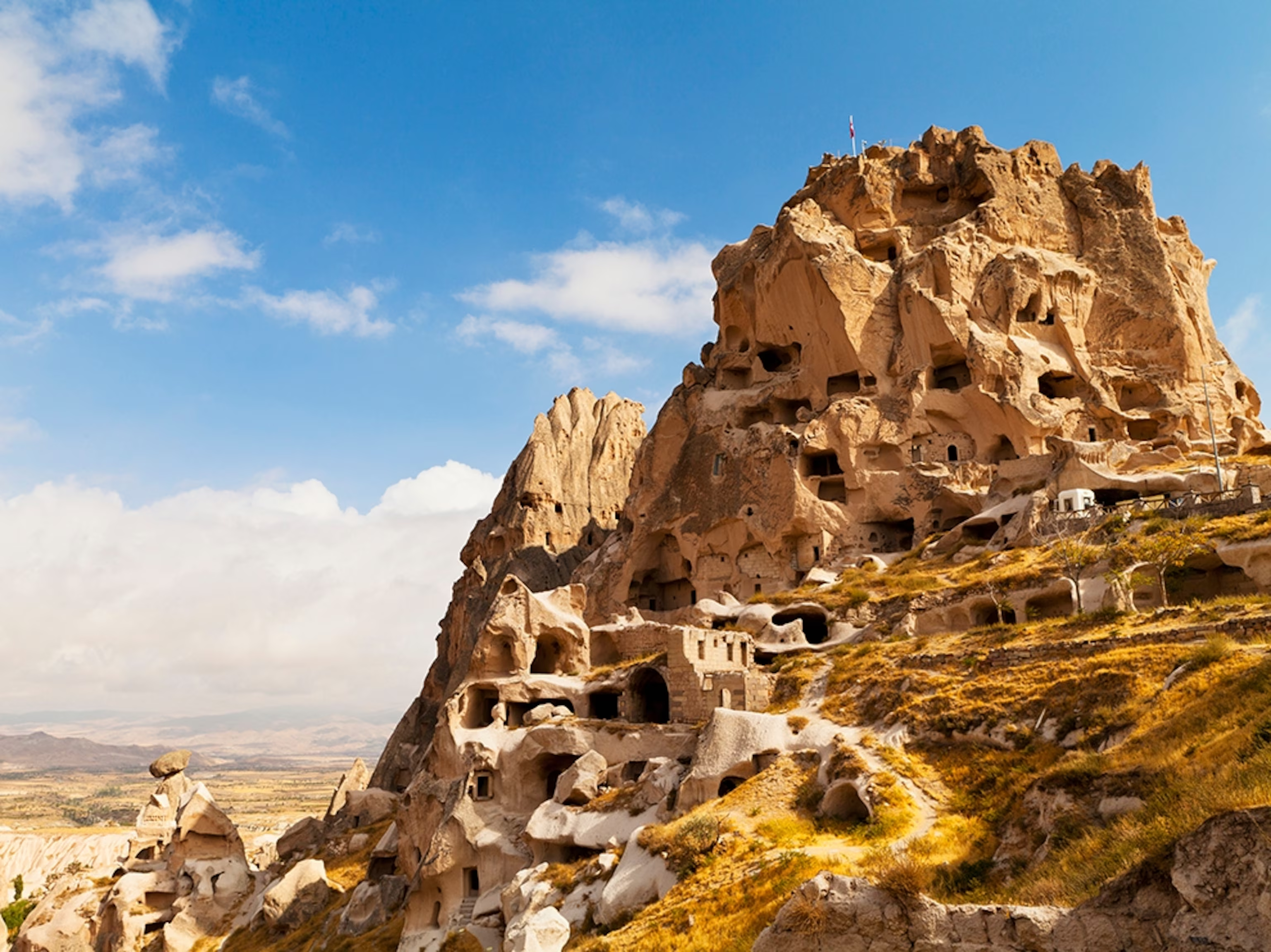
Cappadocia productions typically fly Istanbul-based heads of department in and hire local production assistants, drivers and lighting daily-hire crew. Antalya has a working commercial-and-television crew market of its own, though international feature productions still tend to source heads of department from Istanbul. Ankara, Bursa and Izmir carry smaller but functional local markets adequate for second-unit and interview-based content. Cross-province cargo movement of camera and lighting is a standard workflow, handled by specialist logistics firms with prior international-production experience.

Indicative rate bands and Turkish Lira budgeting
The following are Celluloid Pact indicative 2026 estimates for modelling qualifying spend, not a published Turkish rate card or a hire quote; final rates depend on the brief, crew tier, shoot duration and equipment package. On that basis, a full commercial camera crew (operator, focus puller, DIT, sound recordist, gaffer, key grip and two production assistants) runs roughly USD 2,800 to 4,500 per day, with feature-film head-of-department rates about 20 percent higher and individual senior HOD day rates around USD 500 to 900. Local production assistants and drivers sit at roughly USD 120 to 180 per day. A full Alexa Mini or Sony Venice body with cine primes runs about USD 1,200 to 2,000 per day, grip and lighting priced separately.
These bands are estimates and move with USD-TL volatility. The Turkish Lira has run through significant devaluation cycles across the 2020s, and the rate on any specific shoot day differs meaningfully from the rate sixty days prior. Productions budgeting from a USD or EUR frame often consider a hedge or forward on the peak-spend window rather than exchanging spot, and crew rates quoted in Lira are best pinned to a reference date with a written escalation clause if the shoot slides more than thirty days from the quote.
Filming Permits and Separate Drone Approvals
Filming permits are a separate process from the incentive application. Foreign-production filming permits run through the Ministry’s Directorate General of Cinema, and the production must have at least one Turkish-citizen host attached to the file. A production can hold a permit without qualifying for the incentive, and can qualify for the incentive while its permit clearances run on their own timeline; the two tracks should be planned in parallel, not treated as one.

The Directorate General of Cinema permit route
Standard foreign productions file a filming-permit application through the Directorate General of Cinema, listing personnel, locations, dates and equipment manifests, with the Turkish-citizen host and Turkish partner handling the local paperwork. Public spaces including most Istanbul streets, coastal locations and non-restricted rural areas fall under this route, with municipal coordination through the relevant belediye for street closures, parking suspensions and night-shoot noise. Heritage sites such as Hagia Sophia, Topkapi Palace, Ephesus and Pergamon require separate authorisation through the Ministry’s cultural-heritage division, with longer lead times and site-specific rules on lighting, personnel numbers and shooting hours; some permit exterior work only, and active religious buildings carry their own consent chains.
Drone: a separate civil-aviation process
Drone operation is not inside the Ministry filming-permit application. Foreign drone operators follow a separate civil-aviation process through the Directorate General of Civil Aviation, which currently requires an advance application submitted through diplomatic channels rather than a line item on the film permit. This route runs on its own lead time and can gate aerial-dependent sequences, so it should be opened early and never assumed to travel with the filming permit. Restricted airspace over parts of Istanbul, border regions and military zones adds case-by-case review on top.
Turkey Compared with Morocco and Jordan
Producers weighing Turkey against the wider corridor typically compare it with Morocco (a 30 percent CCM cash rebate) and Jordan (a tiered 20 to 45 percent RFC scheme). Each serves a different creative and logistical brief, and the decision is rarely made on the headline rate alone. Read against those two, the Turkey film rebate is competitive on rate but distinct on what it buys creatively.
Rate structure and disbursement mechanics
Turkey awards up to 30 percent on qualifying spend, subject to the qualification test and the current thresholds, disbursed four to six months after audit. Morocco pays 30 percent flat under the CCM scheme with a similar disbursement window. Jordan tiers from 20 percent at the floor up to 45 percent when local-hire and location-diversity thresholds are met under the RFC scheme, with a longer disbursement cycle. Turkey and Morocco are close peers on headline mechanics, while Jordan can beat both at the top tier under meaningful tiering conditions. Producers should read our Morocco film incentives and rebates page for the Morocco-side operational detail.

Where Turkey wins in the corridor
Turkey wins on Istanbul urban texture, where nothing else in the corridor matches the density of period, Ottoman, art-deco and modern registers in one city; on Cappadocia geology, which has no substitute in the region; on Aegean-coast Greek and Roman ruins such as Ephesus, Pergamon and Aphrodisias that Morocco cannot stand in for; and on European air-route access from London, Frankfurt and Paris that trims travel-day cost. The call becomes a Morocco-versus-Turkey decision when the brief is generic Mediterranean-coastal, and Turkey takes it when Ottoman or specifically Turkish-cultural detail is on the shot list. The broader regional context sits in our Line Producer Middle East coverage.
Where Turkey does not fit: deep-desert briefs that Morocco’s Sahara or Jordan’s Wadi Rum serve better, sub-Saharan African registers, or fixed-budget productions whose schedule is likely to slide well past the quoted rate baseline, where Lira volatility becomes a real exposure to model rather than dismiss.
