

Celluloid Pact coordinates line production and film fixing in East Asia for productions planning shoots across the region. The appointment defines the budget, schedule, crew and supplier commitments and local support needed for each territory included in the brief.
A regional schedule does not create a single permission system, and crew, equipment and suppliers are not interchangeable between territories. Preparation identifies which work belongs to each local team, which departments travel and which decisions remain with the commissioning production.
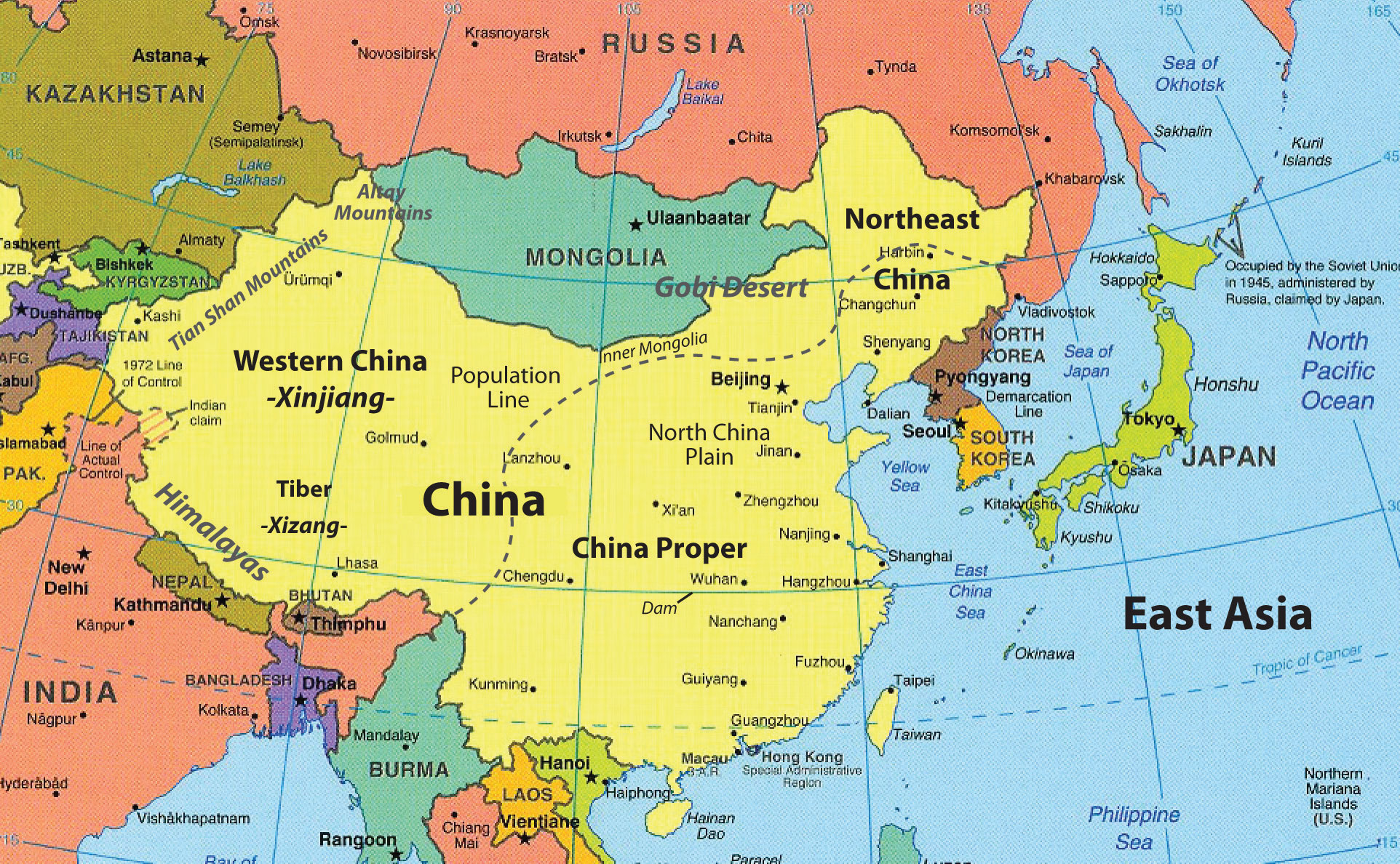
This guide explains how to compare territories and connect appointments across Korea, Japan, mainland China, Mongolia, Hong Kong, Macau and Taiwan. Where a country page exists, it covers the corresponding service in more detail.
Regional Line Production and Local Fixing
A line producer in East Asia can coordinate the agreed regional estimate, schedule and reporting while territory teams manage their assigned work. The appointment identifies who contracts with suppliers, authorises expenditure and reports changes for each filming leg.
Film fixers in East Asia provide the local support assigned to them, such as recce, access enquiries, supplier enquiries and shoot-day arrangements. Fixing can form part of the producer appointment or a separate engagement. Responsibilities follow the agreed scope rather than a compulsory hierarchy.
A regional appointment may include:
- Comparing proposed territories and locations against the brief.
- Preparing territory estimates and a consolidated production budget.
- Scheduling preparation, filming, movements and wrap.
- Coordinating crew, equipment and supplier enquiries.
- Recording access dependencies and outstanding decisions.
- Reporting expenditure, commitments and forecast completion costs.
The production should agree the deliverables and authority for each task before commitments begin. Regional coordination does not itself establish local registration, permission or eligibility for funding.
Choosing Territories for the Brief
Start with the scenes and working requirements rather than a preferred production base. Identify the settings, activities, department needs and locations that are essential to the project, then compare the preparation, access, supplier and movement requirements of each option.
East Asia offers dense capital cities, heritage districts, coastlines, river landscapes and open steppe. A location reference is a starting point for assessment, not confirmation that a site is available or suitable for the proposed filming activity.
Compare complete estimates using consistent assumptions. Include preparation, travel, accommodation, equipment handling and specialist requirements alongside local shoot costs. A lower quotation for one department does not necessarily make the whole itinerary less expensive.
A multi-territory schedule is useful when the creative or production requirements justify the additional movements and appointments. It is not automatically preferable to a single-territory shoot, and one territory should not be assumed to stand in for another without checking against the script.
For a wider comparison of Korea, Japan and China location options, our East Asia filming alternatives guide provides a starting point. Current requirements and quotations still need checking for the actual project.
Country Appointments and Location Planning
Korea and Japan have dedicated Celluloid Pact pages. For the other territories below, the notes describe what a brief should consider, and local appointments are agreed for the project.
Korea: Seoul, Busan and Jeju
A Korea brief may combine Seoul city locations with coastal Busan or island work on Jeju. Assess the proposed sites, department requirements and movements separately rather than assuming that one city supplies the whole schedule.
In Seoul, location planning may cover areas such as Gangnam, Hongdae, Bukchon Hanok Village and the Han River. Our Seoul-based film fixers in Korea page covers the corresponding line producer and film fixer services for a Korea appointment.

Busan and Jeju add coastal, city and island settings. Access, permission and transport arrangements for each location are assessed with the local team, and island legs need their own movement and equipment planning.
Japan: Tokyo, Kyoto and Osaka
A Japan brief may include Tokyo, Kyoto, Osaka and the Kansai area, or settings further afield. Arrangements are made location by location, so the schedule should identify each venue, authority or property owner involved before dates are fixed.
Our Line Producer Japan page covers the corresponding line producer and film fixer services, and our Japan film incentives, crew rates and filming permits guide provides further planning information that should be checked against current requirements before commitments.

Tokyo locations may involve ward-level or venue-specific arrangements, while Osaka and the Kansai region have their own local contacts. Confirm which parties are involved for each proposed filming location.
Kyoto offers temple, shrine and historic-district settings. Access to heritage properties depends on the owner or administrator, so each proposed filming activity should be raised and confirmed early. Rail links between Tokyo, Kyoto and Osaka can simplify some multi-city schedules, but movements and equipment transfers still need planning.
Hiroshima, Hokkaido, Okinawa and other regions offer different city, landscape and coastal settings. Treat each as a separate location assessment rather than an extension of a Tokyo and Kyoto itinerary.
Mainland China
Whether and how a production can film in mainland China depends on the content, locations and activities proposed. Confirm with a Chinese production partner which approvals and applicants are involved before dates or commitments are fixed.

Beijing and Shanghai offer contemporary city and heritage settings. Facility, crew and supplier enquiries should state dates, technical requirements and working languages, and restricted or heritage sites need their own assessment.
Hengdian in Zhejiang Province is a studio and backlot location sometimes considered for period work. Availability, scheduling and terms need confirmation for the proposed sets and dates.

Tibet Autonomous Region
Tibet is part of the China production framework, so any Tibet work is assessed within the mainland China arrangements above and needs its own access and location review. Altitude, travel conditions and the demands on crew and equipment affect the schedule and should be assessed with medical and specialist advice for the actual team. Our Tibet film permits and China co-production framework guide provides a planning reference.

Mongolia
Mongolia offers steppe, desert and mountain landscapes beyond Ulaanbaatar. Remote locations change the planning requirements: distances, road and weather conditions, accommodation, fuel, communications and the availability of specialist suppliers all need assessment against the shoot period.

The production should agree who arranges local transport and field support for each location, and confirm entry, equipment and permission requirements for the actual crew and equipment before travel.
Hong Kong and Macau
Hong Kong combines a dense harbour city with hills, coast and older neighbourhoods within short distances. Public-location and restricted-site requests are assessed against the proposed filming activity and the relevant authority or property owner. Movements between Hong Kong, Macau and the mainland need separate planning for crew, equipment and timing.

Macau’s historic centre, with its Portuguese-influenced streets and squares, may suit briefs that need that setting. The peninsula is compact, which can simplify unit moves, but access for each location still needs confirmation.
Taiwan
Taiwan offers city, coastal and mountain settings, with Taipei and Kaohsiung as the main urban reference points for facility and crew enquiries. Funding or co-production support depends on the project structure and current programme conditions, so treat it as a separate enquiry rather than an assumption in the estimate.
Adjacent Regions for Comparison
Bhutan and Southeast Asia are considered separately when a brief compares Himalayan or Southeast Asian settings with East Asian locations. Each requires its own production and access assessment.
Bhutan
Bhutan is a separate production territory with Himalayan settings. Our Line Producer Bhutan page covers line producer and film fixer services there. Whether its locations suit a script should be assessed against the script’s requirements rather than assumed.
Southeast Asia and Myanmar
Southeast Asia is covered as its own region. Our Line Producer Southeast Asia page covers line production and film fixing for Vietnam, Thailand, Cambodia and Indonesia. Myanmar is a Southeast Asian country and is not offered here as a routine production territory. Any feasibility would need a current security, legal and insurance assessment; see the current advisories from the U.S. State Department and the UK FCDO.
Crew, Equipment and Cross-Border Movements
Identify the departments that travel, the departments hired locally and the equipment that must move between territories. Crew and equipment availability, working languages, technical specifications and booking terms need confirmation for each territory rather than being assumed from another.

Cross-border movements affect the schedule. Allow time for travel, equipment handling, customs and entry arrangements, and confirm the requirements for the actual crew, nationalities and equipment with the relevant authority or appointed local team before commitments are made.
Where a unit moves between territories, agree who is responsible for each transfer, who holds the supplier commitments in each territory and how changes are reported.
Budgets and Reporting
A regional budget combines territory estimates prepared on consistent assumptions, with currency, taxes, insurance, travel and contingency treated clearly. The line producer coordinates preparation, commitments, expenditure authority and reporting as agreed for each filming leg.
Reports should show the approved budget, committed cost, expenditure to date and forecast completion cost for each territory and for the whole production. Changes to schedule, scope or location are recorded against the estimate before further commitments are made.
Permissions and Incentive Dependencies
Permissions differ by territory, location, activity and the parties involved. Identify early which locations need an owner’s consent, an authority’s approval or specialist arrangements, and which party is responsible for each application.
Funding and incentive programmes in the region have their own eligibility conditions, application timing and documentation, and they change. Do not build assumed support into the budget until the conditions for the actual project have been confirmed against current programme guidance.
Regional coordination does not itself establish permission, registration or funding eligibility. The production and its local partners should agree who applies, who tracks conditions and when each decision is needed.
Preparing the Enquiry
Send the script or treatment, the proposed shoot window, crew size, equipment requirements, the territories under consideration and the budget bracket. State which locations are essential and which are flexible, and note any known constraints on filming activity or content.
Early discussion helps identify which territories need individual appointments, which approvals depend on lead time and where schedule or cost assumptions need checking.
For the difference between full-service, line-producer-only and fixer appointments, see our film production services and engagement models page.
