

Filming in Africa starts with a choice of base, and that choice is rarely made on the look alone. An international production weighing the continent is choosing between territories that sit in different economies, with different permit routes, crew and equipment depth, incentive positions and shooting seasons. The same desert, coast or city brief can land in South Africa, Morocco, Egypt, Tunisia or one of the Lusophone and East African territories, and each carries a different cost and a different way of getting permission to shoot.
This guide sets out how that decision is made. It compares the main African filming locations by permit route, crew and equipment base, cost drivers and season, then gives a concise summary of each territory with a link to the page that holds its operating detail. It is written for producers, production managers and financiers scoping film production in Africa for a feature, series, documentary or commercial, and it is deliberately not a service page: crew, budget and execution sit with the territory teams linked below.

How an International Production Chooses an African Base
The Creative Brief and the Continent’s Location Registers
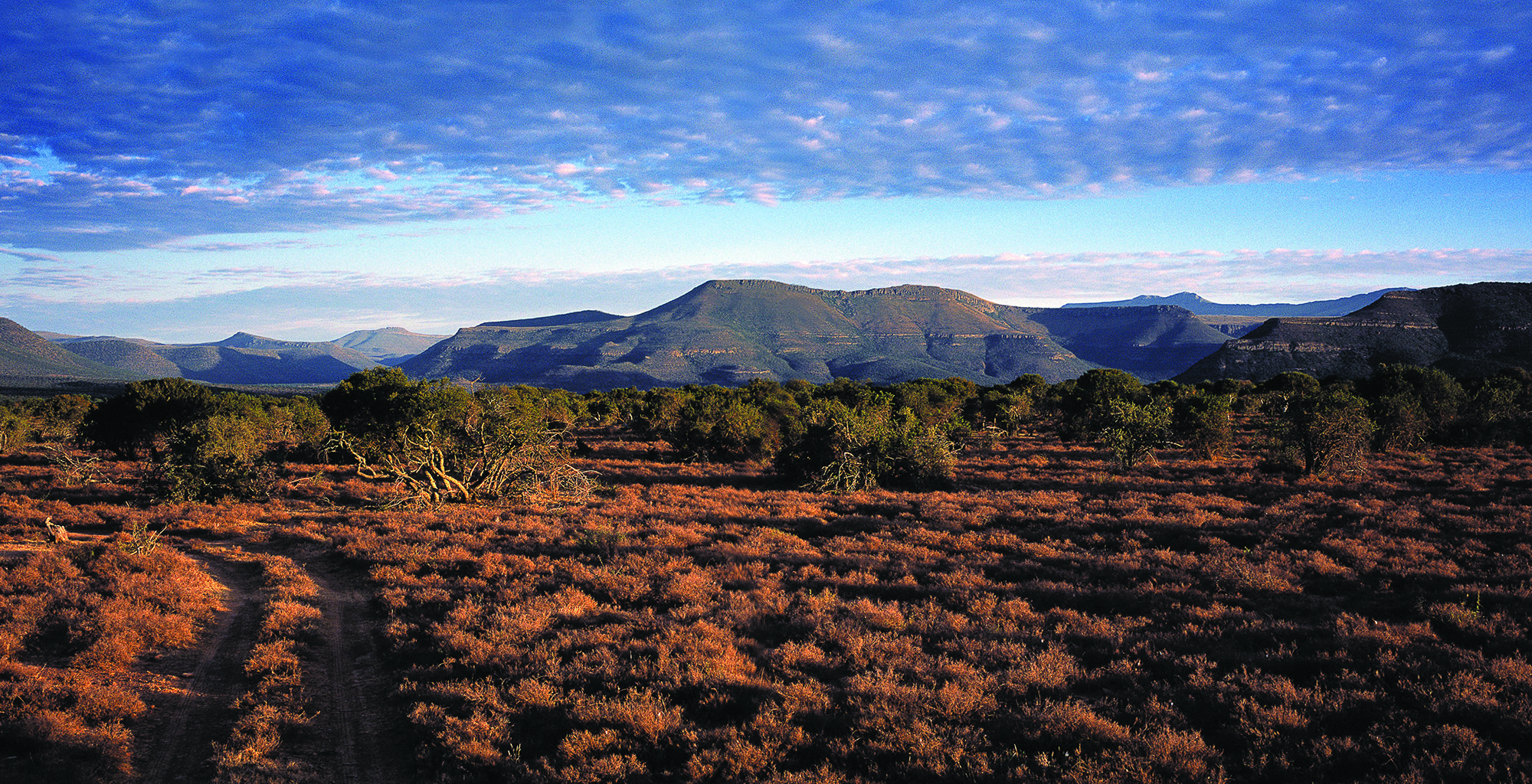
Africa covers more visual range than any single territory offers, and the brief usually narrows the map quickly. Mediterranean, European and American city doubles point to Cape Town and, for some registers, Casablanca or Tunis. Desert and period work points to Morocco and Tunisia, with Egypt for pharaonic, Islamic and Red Sea settings. Tropical Indian Ocean islands point to Mozambique; an equatorial Atlantic volcanic island with Portuguese plantation heritage points to São Tomé and Príncipe; off-world and geothermal terrain points to Djibouti. Semi-desert open land and European-period vineyards both sit inside South Africa. Matching the register first keeps the shortlist to two or three territories before permits and costs are compared.
The Permit Route
Every territory on the shortlist has a different answer to who issues the filming authorisation and how long it takes. Some run a central film-commission route that coordinates other authorities; some run a municipal film-office model with separate protected-area and heritage approvals; some publish processing periods and some do not. The permit route decides how far ahead the location list has to be locked, whether a local production company has to sign the file, and how many separate approvals sit behind a single shoot day. The comparison table below sets this out territory by territory.
Crew, Equipment and Studio Base
Crew depth ranges from South Africa’s full studio, post-production and heads-of-department base, through Morocco’s period and action bench in Ouarzazate and Egypt’s Cairo crew pool, down to the small-territory scale of Mozambique, São Tomé and Djibouti, where key crew and most equipment travel in. Whether a territory accepts ATA Carnets or requires broker-confirmed temporary admission changes both the freight cost and the lead time, and it varies across the continent.
Cost Drivers and Season
Africa production costs are set less by headline day rates than by what the shortlist forces the production to bring: imported heads of department and their travel, freighted equipment, charters into archipelagos or inland locations, seasonal accommodation pricing, location and heritage fees, and the currency and disbursement structure. Incentives sit on top of that and differ sharply: Morocco publishes a 30% cash reimbursement, South Africa publishes a 25% incentive whose current funding position has to be confirmed, Egypt links its 30% figure to a specific studio campus, and Tunisia, Mozambique, São Tomé and Djibouti publish no national cash rebate. Season closes the decision, because desert heat, the Cape winter, Indian Ocean cyclones and Horn of Africa summers all move shoot dates.
Comparing African Territories: Permits, Crew, Costs and Season
The table summarises the seven territories with dedicated production pages on this site. Processing periods and seasons are planning references; each territory page carries the detail and the official sources behind it.
| Territory | Permit route | Crew and equipment base | Cost drivers | Season |
|---|---|---|---|---|
| South Africa | Municipal film offices (Cape Town, Gauteng municipalities, Durban) plus SANParks, provincial heritage and SAPS approvals; no single national permit | Largest on the continent: studios, post, full HoD base; ATA Carnet accepted subject to SARS processing | DTIC 25% incentive published but funding and adjudication position to be confirmed; local crew depth reduces imports; rand-based spend | Cape summer Nov to Mar; Karoo Apr to Sep; Durban warm through winter; Highveld summer storms |
| Morocco | CCM filming authorisation filed by an approved Moroccan executive-production company; published periods by format (feature 15 days, documentary 21, advertising 3) once the file is complete; site permissions separate | Deep period, desert and action crew in Ouarzazate and Marrakech; Atlas Studios; ATA Carnet accepted | CCM 30% production support on eligible spend (MAD 10M minimum, 18 filming days); support paid after audit; French and Arabic operating languages | Oct to Apr for desert work; summer heat governs working hours in the south |
| Egypt | Egypt Film Commission receives foreign-production requests and coordinates approvals with a published 10 to 30 day target; Antiquities Ministry issues per-site monument permits | Cairo crew pool with commercial and drama depth; EMPC studio campus; not on the ATA Carnet list, so broker-confirmed temporary admission | Per-site antiquities and monument fees; EMPC 30% incentive tied to productions using EMPC premises and facilities; security and drone review | Oct to Apr; summer heat at Luxor, Aswan and the Western Desert |
| Tunisia | Ministry of Cultural Affairs single-window authorisation for foreign productions; governorate and security coordination for Sahara work | Mid-scale crew base in Tunis; Star Wars and heritage-site access experience; ATA Carnet accepted | No national cash rebate; competes on day rates, heritage access and gross-cost simplicity; VAT treatment confirmed per project | Oct to Apr; coast workable in summer with tourist-season pressure on hotels and vehicles |
| Mozambique | INICC filming licence with provincial, park and marine authorities according to the locations; eVisa around five business days | Small crew pool, no international-level studios, equipment travels in; not on the ATA Carnet list | Charter and boat logistics into Bazaruto and Quirimbas; imported HoDs; no national rebate; northern security caveat | Dry season roughly May to Oct; cyclone risk in the wet months |
| São Tomé and Príncipe | Direcção do Património Cultural and the tourism authority; Roça estate access agreed with owners | Small-territory scale; key crew and equipment via Lisbon; not on the ATA Carnet list | Lisbon air bridge and inter-island transfers; CPLP co-production access; no national rebate | Dry gravana season roughly Jun to Sep |
| Djibouti | ANPC cinematography department issues the filming authorisation; military-airspace, aviation and site approvals separate | Thin local crew supplemented from Addis Ababa or Johannesburg; not on the ATA Carnet list | Inland charters and camps for Lake Abbe and Lake Assal; bilingual coordination; restricted zones; no national rebate | Nov to Apr; May to Sep hot season |
Filming Permits in Africa: Who Issues What
Filming permits in Africa fall into three models. The central-commission model, used in Morocco, Egypt and Tunisia, routes the foreign production through a national body that receives the request and coordinates or issues the authorisation, with heritage, security and site approvals still decided by their own authorities. The municipal model, used across South Africa, has no national permit at all: each city film office issues its own permit and protected areas, provincial property and road closures add separate approvals. The licensing model, used in Mozambique, São Tomé and Djibouti, issues a national licence or authorisation through a culture or cinema institute, with provincial, park, marine or military approvals layered on by location. In every model the published period, where one exists, runs from a complete file and never includes the site-specific approvals.
Crew, Equipment and Carnet Routes
South Africa, Morocco and Tunisia accept ATA Carnets, so a camera, lighting and grip package can travel on one document with the port procedure confirmed by the broker. Egypt, Mozambique, São Tomé and Príncipe and Djibouti do not appear on the official ATA Carnet participating-country list, so each of those legs runs on broker-confirmed temporary admission with its own declaration, security or bond and re-export conditions. On a multi-territory schedule this is planned leg by leg, and it is one of the reasons a South African or Moroccan base often anchors the equipment package while the smaller territories are served by lighter kits.

Africa Production Costs: What Moves the Number
Quoted against a real schedule, the cost gap between African territories comes from five lines. Imported crew: the smaller the local bench, the more heads of department travel and the more the schedule pays in flights, per diems and acclimatisation days. Equipment: Carnet versus temporary admission, and whether a package ships once or per leg. Access: archipelago charters, desert camps, inland convoys and the water, fuel and medical cover remote work needs. Permissions: location, heritage and antiquities fees, security escorts and drone approvals, which vary from nominal municipal fees to per-site monument tariffs. Incentives: Morocco publishes a 30% national cash-rebate scheme, subject to its eligibility thresholds and current CCM rules; other territories either have more limited support or no national rebate. Any figures on the territory pages are Celluloid Pact office planning estimates, dated on delivery, not published rate cards.
Seasons and Security Windows
The continent has no single shooting season. North Africa works from October to April and manages summer heat with early and late calls. The Cape shoots through the southern summer from November to March while the Karoo interior is planned for the cooler months, and Durban stays warm when Cape Town turns wet. The Mozambican coast and São Tomé run on dry-season windows and carry cyclone or rainy-season risk outside them. Djibouti is workable from November to April. Security is location-specific rather than national: northern Mozambique carries a standing travel-advice caveat, Djibouti and Egypt carry restricted zones around military and border areas, and Sahara work in Tunisia is coordinated with the security authorities. Current travel advice is checked per location at scoping.
South Africa: Five Production Regions
South Africa is the continent’s most established production base and the usual answer when the brief needs studio capacity, a full local crew and a range of doubles inside one country. The line producer South Africa page holds the national operating detail, the SPCV incentive-applicant structure and the ATA Carnet route; the five regional pages below hold the local permit offices and location registers.
- Cape Town: the Cape Town Film Permits Office runs an online application under the city film policy; Table Mountain, the Atlantic Seaboard, Bo-Kaap and the surrounding coast double for Mediterranean, US and European settings, with Wesgro and the Cape Film Commission handling provincial referrals.
- Johannesburg and Gauteng: the commercial and ad-film centre, with Sasani, Atlas and the surrounding studio cluster; separate municipal permits across Johannesburg, Sandton, Centurion and Pretoria alongside Gauteng Film Commission coordination.
- Durban and KwaZulu-Natal: the warm-water Indian Ocean coast, subtropical urban settings, game reserves and the Drakensberg, permitted through the Durban Film Office and the provincial film authority.
- Karoo: semi-desert open land for American West, outback and post-apocalyptic briefs, with municipal permits plus SANParks approval where protected areas are involved; planned around the cooler April to September months.
- Cape Winelands: Cape Dutch heritage and working vineyard estates around Stellenbosch, Franschhoek and Paarl, doubling for Mediterranean and European wine country, with municipal and provincial heritage permissions.
The South African Incentive Position

The South African incentive is published by the DTIC at 25% of qualifying South African expenditure, capped at R25 million, but an official parliamentary response records that the last adjudication meeting was held in March 2024 and that no new claims were approved during 2025 because of budget constraints. Eligibility, available funding, approval status and payment timing are confirmed directly with the DTIC before the rebate enters a finance plan, and a South African budget is currently built without assuming it lands. The location and crew case stands on its own.

North Africa: Morocco, Egypt and Tunisia
The North African corridor is defined by desert and period specialisation, by central permit routes, and by seasonal conditions that are tested against the shoot dates before a base is chosen.
- line producer Morocco: the CCM filing runs through an approved Moroccan executive-production company with published processing periods by format, and separate heritage, municipal, aerial and security permissions. Ouarzazate and Atlas Studios anchor period, biblical and desert work; Marrakech, Casablanca, Fes and the Sahara supply the city and dune registers. The CCM 30% production support is the continent’s most established cash incentive, with a MAD 10 million minimum spend and 18 filming days.
- line producer Egypt: the Egypt Film Commission receives foreign-production requests and coordinates approvals on a published 10 to 30 day target, while the Antiquities Ministry issues per-site monument permits for Giza, Luxor, Aswan and the Nile. Equipment enters on broker-confirmed temporary admission, and the EMPC 30% incentive applies to productions using the EMPC studio campus rather than to all Egyptian spend.
- line producer Tunisia: the Ministry of Cultural Affairs single window issues the foreign filming authorisation, with governorate and security coordination for Sahara work at Tozeur, Matmata and Tataouine. Tunisia accepts ATA Carnets and publishes no national cash rebate, so it competes on heritage-site access, day rates and gross-cost simplicity rather than a headline percentage.

Lusophone and East Africa: Mozambique, São Tomé and Príncipe, Djibouti
These three territories are chosen for settings the larger bases cannot supply, and they are planned around scale: small crew pools, imported equipment, charter access and licensing routes rather than film-commission offices.
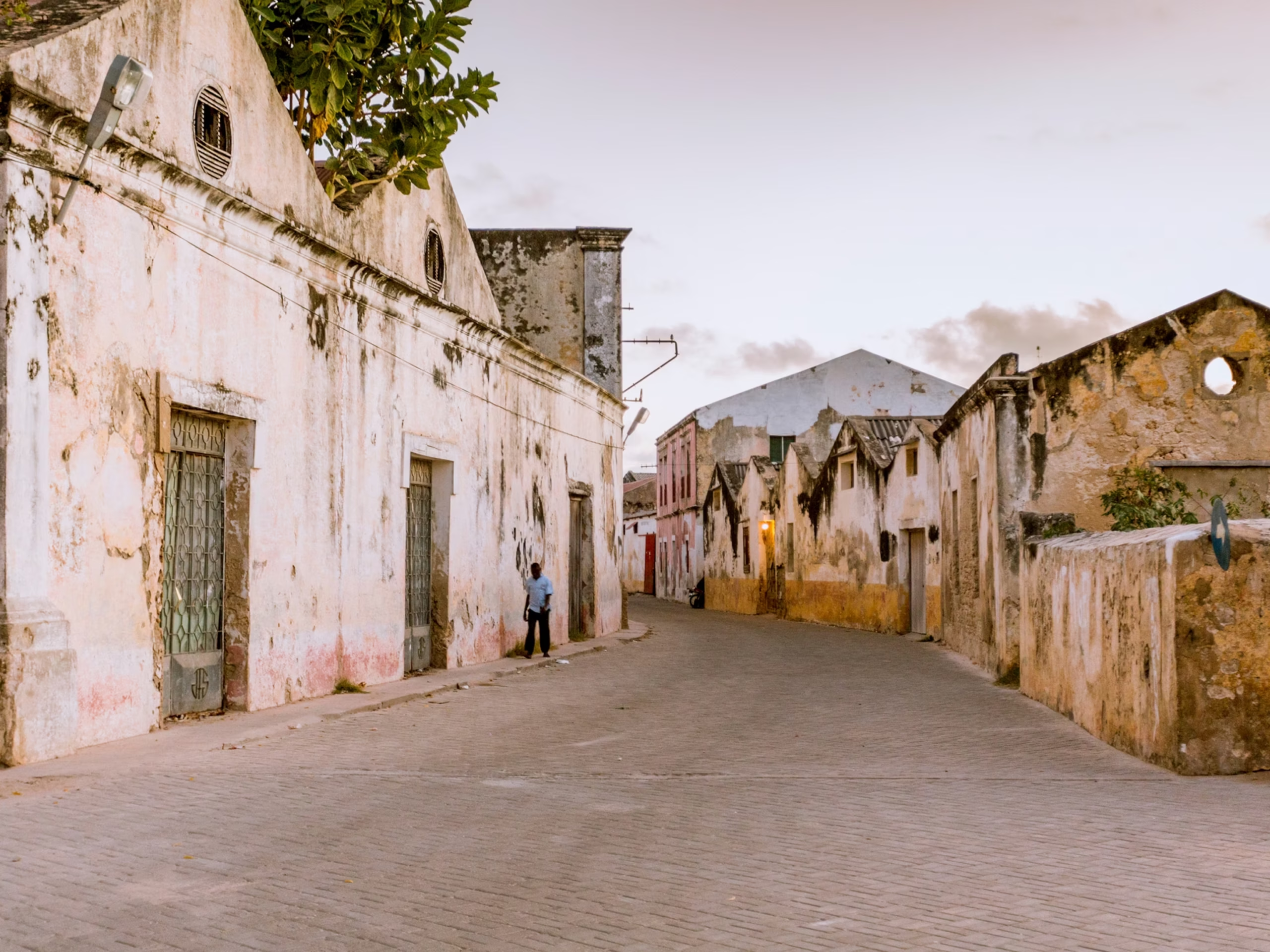
- film fixers in Mozambique: INICC issues the filming licence, with provincial, park and marine authorities involved according to the locations proposed. The Bazaruto and Quirimbas archipelagos supply tropical Indian Ocean island work reached through Vilankulo and Pemba; Maputo supplies Portuguese neoclassical and Art Deco urban settings; Gorongosa adds a major wildlife reserve. Equipment travels in on temporary admission, the crew pool is small, and the CPLP framework opens Lisbon-linked co-production structures.
- São Tomé and Príncipe: an equatorial Atlantic volcanic island with Portuguese plantation heritage, from Pico Cão Grande to the Roça estates and the Príncipe biosphere reserve. Permits run through the Direcção do Património Cultural and the tourism authority, Roça access is agreed with the owners, and key crew and equipment travel via Lisbon.
- line producer Djibouti: the cinematography department of ANPC issues the filming authorisation, with military-airspace, aviation and site approvals separate. Lake Abbe’s limestone chimneys, Lake Assal and the Gulf of Tadjoura supply off-world and geothermal registers; crew is supplemented from Addis Ababa or Johannesburg, equipment enters on temporary admission, and the workable season runs from November to April.

Access, Scale and the Lisbon Bridge
All three territories are reached through hubs rather than direct long-haul service: Mozambique through Johannesburg or Maputo, São Tomé through Lisbon, Djibouti through Addis Ababa or the Gulf carriers. That routing, together with the temporary-admission customs route and the small local benches, is why these legs are usually planned with lighter equipment packages and a compact travelling crew, with the anchor base for the wider schedule kept in South Africa or North Africa.

Which African Territory Fits the Brief
| Production brief | Territory | Why |
|---|---|---|
| Mediterranean, US or European city double | Cape Town | Urban and coastal doubles, established permit office, deep crew |
| Commercial, brand or ad-film production | Johannesburg | Studio infrastructure and commercial crew base |
| Warm-water Indian Ocean coast | Durban | Subtropical coast, game reserves and Drakensberg in one province |
| American West, outback or post-apocalyptic open land | Karoo | Semi-desert plateau with SANParks-managed protected areas |
| European-period vineyards and Cape Dutch heritage | Cape Winelands | Working estates and heritage architecture near Cape Town |
| Biblical, Middle Eastern or period-desert feature with an incentive | Morocco | Ouarzazate crew and studios, Sahara registers, CCM 30% support |
| Pharaonic, Islamic-heritage or Red Sea setting | Egypt | Antiquities access through the EFC route, Cairo crew, Red Sea coast |
| Sahara and heritage sites without rebate overhead | Tunisia | Single-window authorisation, Carnet accepted, gross-cost simplicity |
| Tropical Indian Ocean island or Lusophone urban | Mozambique | Bazaruto and Quirimbas archipelagos, Maputo, CPLP co-production access |
| Equatorial Atlantic volcanic island, plantation heritage | São Tomé and Príncipe | Roça estates, Pico Cão Grande, Príncipe biosphere reserve |
| Off-world, salt-lake or geothermal terrain | Djibouti | Lake Abbe, Lake Assal, Rift Valley registers |
Multi-territory schedules are common on the continent: a Cape Town city block paired with a Karoo desert leg, a Moroccan desert feature with a Lisbon-routed São Tomé sequence, or an Egyptian heritage series with Red Sea coast days. Each leg is modelled on its own permit route, Carnet or temporary-admission route, crew import and season, and then sequenced so that the deepest crew base anchors the equipment package.
Planning an African Production Route
For a single-territory shoot, the territory page linked above is the starting point; it holds the permit route, crew and equipment position and the current incentive status for that country. For a multi-territory schedule, or a brief that has not yet settled on a country, the line producer Africa team coordinates the comparison across the territories the brief touches and returns a feasibility read covering permit routes, equipment movement, crew import and the current incentive position in each.
To scope Africa production routes for a specific project, the useful starting information is the production format, the territories or settings under consideration, proposed dates, crew size and which heads of department travel, the equipment list and whether it ships or rents locally, any permit-sensitive activity such as protected areas, heritage interiors, drones or underwater work, and an indicative budget range.
Filming in Africa FAQs
Do international productions need a filming permit in Africa?
Yes, in every territory covered here, but the route differs: a central film commission or ministry in Morocco, Egypt and Tunisia; municipal film offices plus protected-area and provincial approvals in South Africa; a national licence or authorisation from a cinema or culture institute in Mozambique, São Tomé and Djibouti. Site-specific permissions sit on top of the national or municipal permit in every case.
Which African countries accept ATA Carnets for film equipment?
South Africa, Morocco and Tunisia accept ATA Carnets. Egypt, Mozambique, São Tomé and Príncipe and Djibouti do not appear on the official participating-country list, so equipment enters those territories on broker-confirmed temporary admission.
Which African countries offer film incentives?
Morocco publishes a 30% CCM production support scheme with a MAD 10 million minimum spend and 18 filming days. South Africa publishes a 25% DTIC incentive whose current funding and adjudication status must be confirmed before it enters a budget. Egypt’s 30% EMPC incentive is tied to productions using the EMPC studio campus. Tunisia, Mozambique, São Tomé and Djibouti publish no national cash rebate.
When is the best time to film in Africa?
It depends on the territory: October to April across North Africa and Djibouti, November to March for the Cape, the cooler April to September months for the Karoo, and the dry seasons for the Mozambican coast and São Tomé. Multi-territory schedules are sequenced so each leg lands in its workable window.
Do I need a local production company to film in Africa?
In Morocco the CCM file must be lodged by an approved Moroccan executive-production company; in South Africa the incentive applicant must be an eligible South African company; elsewhere, a registered local partner is often the practical route for permits, contracting and customs even where it is not a formal requirement. The territory pages set out each case.
Filming in Africa is decided territory by territory: the register the script needs, the permit route behind it, the crew and equipment the base can supply, the cost lines the schedule forces, and the season the dates fall in. Compare those five on the shortlist, then plan the route through the territory teams that run each one.
